Cabarrus Amateur Radio Society

Cabarrus County, Concord, NC


Matching Your Ambitions, License, and Equipment
A Practical Guide for New Amateurs
Before buying a single piece of equipment, a new amateur should pause and answer two basic questions: What do I want to do in amateur radio, and what does my current license actually allow me to do? Those two answers will shape every purchasing decision that follows.

If your interests lean toward HF operation (1.8–30 MHz), your equipment needs will look very different than if your focus is VHF and UHF (30–3000 MHz). Even operators who intend to work “all bands” should recognize that HF, VHF, and UHF often require separate antennas, different mounting solutions, and sometimes different radios altogether.

Understanding your ambitions—and accepting your license limitations—is the foundation of a sensible station.


Budget Reality Check
Budget is a major constraint for most newcomers, and there’s no shame in that. Some amateurs begin with carefully selected used equipment, while others could fill an entire shack on day one. For a beginner, restraint is a virtue.

Used equipment has long been part of amateur radio tradition. It’s often far more affordable and holds its value well. As your license privileges expand and your operating interests become clearer, upgrading becomes easier—and less costly—if you started sensibly.

Overspending early usually leads to frustration rather than better operating.

Building a Sensible Shopping List
A beginner’s station breaks down naturally into essentials and accessories.

Essential Equipment
• Transceiver
• Power supply
• Antenna
• Feedline (coaxial cable)
• SWR meter (if not built into the radio)

Useful Accessories
• Antenna tuner
• Antenna analyzer
• Desktop microphone or headset
• CW key
• Computer interface (CAT / digital modes)

The challenge isn’t knowing what to buy—it’s deciding how much of your budget to allocate to each category.

The Antenna Comes First (Whether You Like It or Not)
Newcomers often make the same mistake: spending most—or all—of the budget on a transceiver and leaving little for the antenna system. Romantic stories about contacts made with a few feet of wire or improvised antennas don’t help. While such contacts can happen, they are the exception, not the rule.

A long-standing rule of thumb among experienced amateurs is the 50/50 guideline:
Allocate roughly half your budget to the radio and power supply, and the other half to the antenna system.
This isn’t a rigid rule, but it’s a reliable way to ensure balanced performance. A modest radio feeding a good antenna will outperform an expensive radio connected to a poor one every time.

The Essentials in Detail
Transceiver
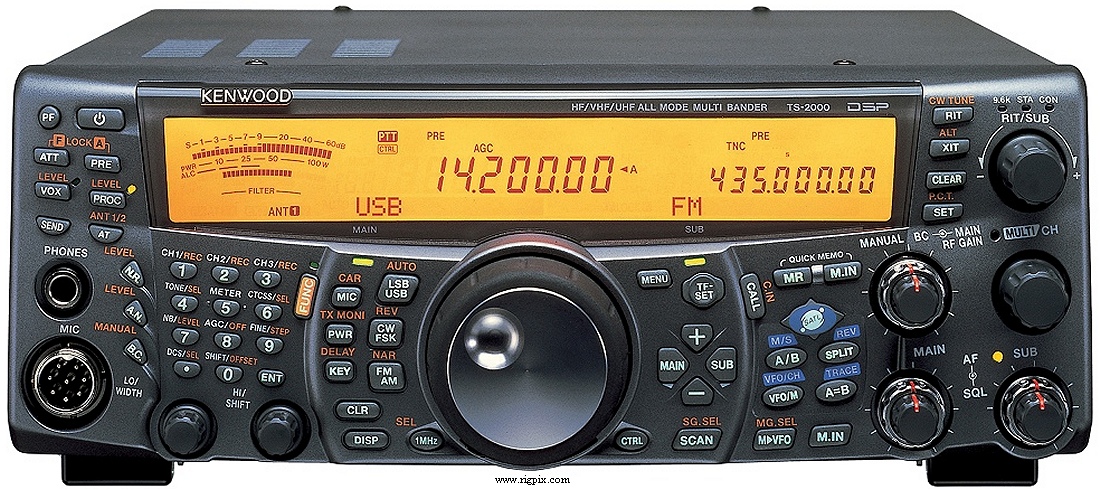
Modern amateurs have many choices: HF-only rigs, VHF/UHF FM mobiles, multimode radios, and all-band/all-mode transceivers. Your license class and ambitions should guide the decision.

If you’re currently limited to VHF/UHF but plan to upgrade later, an all-band transceiver may make sense—provided your budget allows it. Many amateurs, however, start with a simple VHF handheld or mobile radio to gain operating experience before expanding further.

There is no single “best” first radio—only the one that matches your goals and circumstances.

Power Supply
Do not cut corners here. Most 100-watt transceivers require a well-regulated 13.8-volt supply capable of delivering 23–25 amps continuously. Older radios may draw slightly less, but the margin matters.

Modern switching power supplies are generally reliable, though some can generate RF noise if poorly designed. Stick with reputable manufacturers, and seek advice from your local dealer or club. A noisy or underpowered supply will undermine even the best transceiver.

Antennas
Antennas are constrained not only by budget, but by space, height, local regulations, and—often—the patience of family and neighbors.

For VHF and UHF local work, a simple vertical antenna is entirely adequate. Long-distance work on those bands requires directional antennas and a rotor.

HF antennas grow larger as frequency decreases. If space is limited, multiband verticals or end-fed wire antennas are popular starting points. Wire antennas are inexpensive and effective, though some designs are known to introduce RF noise into the shack if poorly installed.

With sufficient space, traditional designs such as the G5RV or broadband antennas like the T2FD offer wide frequency coverage with manageable SWR. Always verify whether an antenna requires a balun or unun—and whether it’s included.

Coaxial Cable
Feedline losses increase with both length and frequency. Thin coax such as RG-58 is acceptable for short HF runs, but beyond roughly 10 meters (33 feet), heavier cable is a better investment.

Common choices include RG-213, RG-8, and modern low-loss cables such as the LMR series in North America or Aircell and Hyperflex variants in Europe. For VHF and higher frequencies, better cable becomes essential.

PL-259 connectors are still common and perfectly serviceable, especially on HF. N-connectors offer lower loss and improved reliability at higher frequencies. If you plan to bury coax, ensure it’s rated for direct burial.

SWR Meter
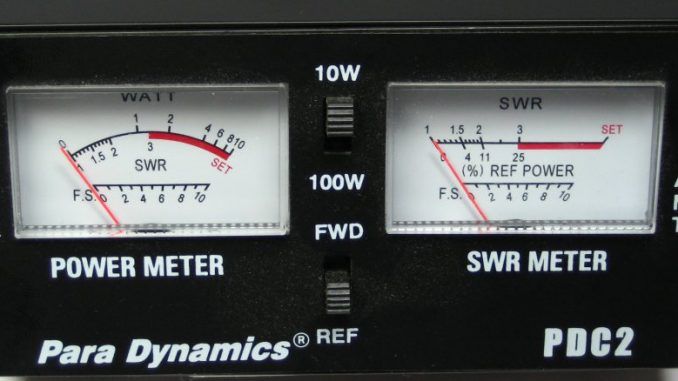
Many modern transceivers include an internal SWR meter, but older rigs often do not. An external SWR meter is essential for confirming that your antenna system presents a reasonable match to the transmitter.

An SWR below 2:1 is generally acceptable. Sustained operation above that can stress or damage the transmitter. Many SWR meters also measure forward power, making them doubly useful.

Helpful Add-Ons
Antenna Tuner
An antenna tuner protects the transmitter by matching antenna impedance to the radio. Internal tuners are convenient but limited—typically handling mismatches up to about 3:1. Larger mismatches require an external tuner. Tuners are designed for specific antenna types, so choose carefully. Seek advice before buying.

Antenna Analyzer
An analyzer simplifies antenna adjustment and troubleshooting. It’s essentially a specialized instrument for measuring impedance and resonance. While extremely useful, it requires some technical understanding to interpret results correctly.

Microphones and Keys
Hand microphones are standard, but desktop microphones or headsets improve comfort during long operating sessions. Price does not always correlate with audio quality. Be mindful of connector compatibility between manufacturers.

CW operators will eventually want a key—straight or paddle. This is a personal choice best made after trying several types. Visit other operators and get hands-on experience before buying.

Computer Interfaces
Digital modes such as FT8 have revolutionized HF operation. To use them, the transceiver must interface with a computer for audio—and often control. Older radios typically require an external CAT interface, many of which include built-in sound cards and USB connectivity.

New or Used?
Buying used equipment is often the smartest move for a newcomer. Older transceivers are well-built, stable, and retain their value. When buying used, test thoroughly—receiver sensitivity, transmit power, and audio quality matter. A quick look inside often reveals whether a radio has been modified or abused.

Antennas are different. Exposure to weather can lead to corrosion and hidden faults. Simple wire antennas are low risk, but complex antennas deserve careful inspection and testing before purchase.

Get on the Air
Amateur radio rewards those who start modestly and learn steadily. You don’t need a perfect station—just a functional one. Experience will teach you what to improve next.

Start simple, operate often, and enjoy the process. That approach has served generations of amateurs well—and it still does.


This article is reprinted with permission of the author, Christopher Krstanovic - AI2F.
About Author
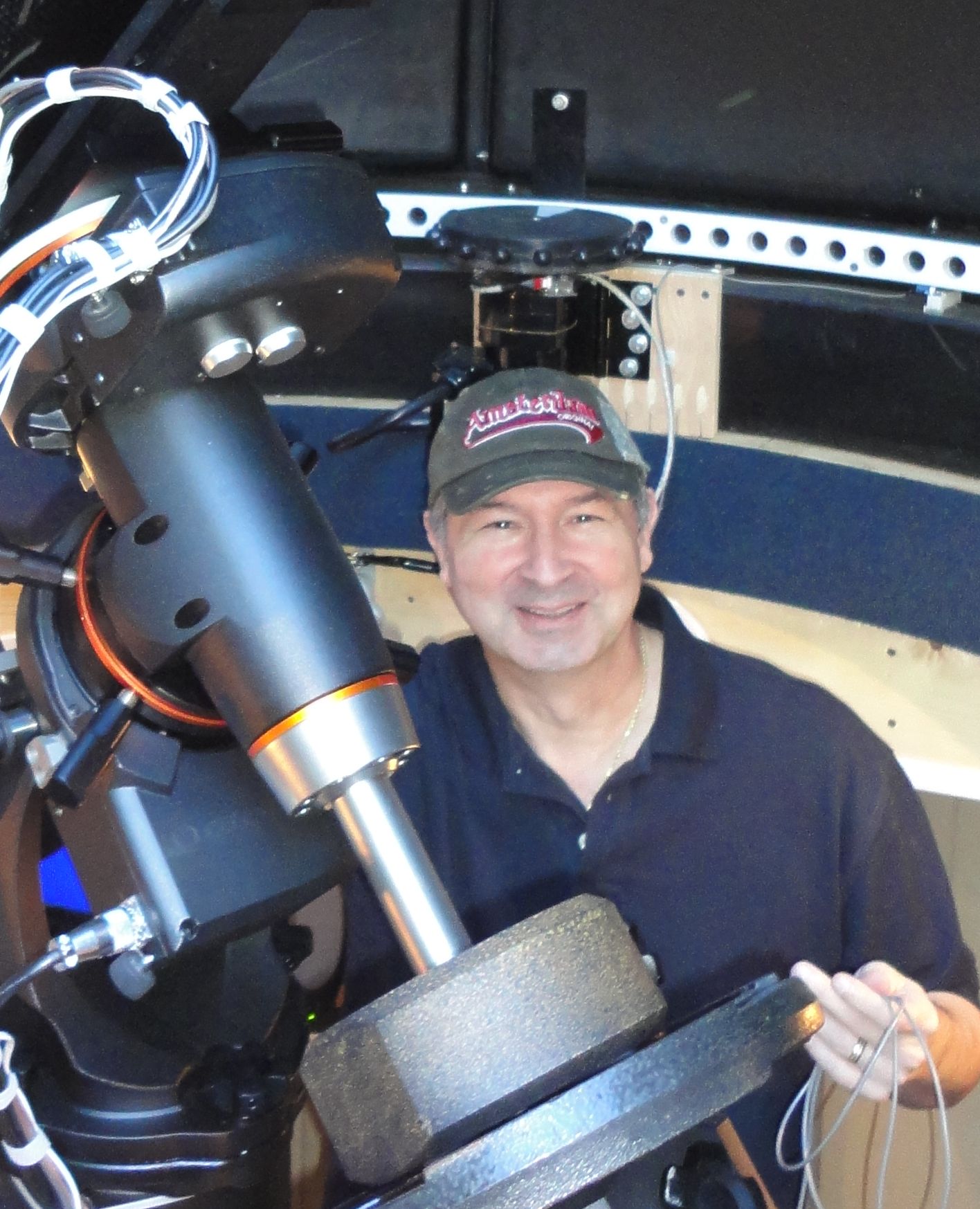
Christopher Krstanovic, AI2F, is a lifelong amateur radio operator, first licensed in the US in 1980s as WR1F. He holds degrees in Physics and a PhD in Electrical Engineering, and his career has spanned corporate engineering as well as technology entrepreneurship. After leaving corporate America, he founded and led three companies before returning to active amateur radio under his current call sign. His operating interests include HF, antenna design, practical radio engineering, Astronomy.


Copyright 2026 © Cabarrus Amateur Radio Society. All Rights Reserved.