Cabarrus Amateur Radio Society

Cabarrus County, Concord, NC


Worldwide, Regional, and Specialty HF Contests
Using the Contest Calendar to Work the World
Ask any seasoned DXer how they worked that elusive Pacific island, Asiatic Russia zone, or short-path India contact on 20 meters, and the answer is often the same: “During a contest.”

HF contests are not just about scoring points or chasing plaques. They are one of the most reliable and efficient tools for working rare regions, often outperforming casual calling and even DXpeditions for everyday stations.
Understanding the landscape of worldwide, regional, and specialty contests—and when they happen—can dramatically improve your DX results, especially toward Oceania, the Far East, China, India, and Asiatic Russia.


Why Contests Matter for DX
During contests:
• Stations stay on the air longer
• Rare regions run instead of hunt
• Operators use full legal power and optimal antennas
• QSOs are fast and predictable
In short, rare stations come to you!

For DXCC, CQ Zones, and band fills, contests are often the difference between waiting years—or working the entity in a single weekend.

Worldwide HF Contests (The Big Ones)
These contests produce massive participation and are among the best opportunities to work Asia-Pacific and remote regions.

CQ World Wide DX Contest
• Modes: SSB (Oct), CW (Nov)
• Coverage: Worldwide
• Why it matters: Every serious DX station is active
Website: https://www.cqww.com

Excellent for:
• China (BY)
• Japan (JA)
• Asiatic Russia (UA0)
• Oceania (VK, ZL, Pacific islands)

ARRL 10 Meter Contest
• Modes: SSB, CW, (Mar)
• Coverage: Worldwide
Contact as many stations as possible on 10 meters CW or SSB.
Website: https://www.arrl.org/10-meter

ARRL International DX Contest
• Modes: CW (Feb), SSB (Mar)
• Coverage: DX-to-W/VE and reverse
Website: https://www.arrl.org/arrl-dx
For W/VE operators, this contest turns the rest of the world into a calling pool—and Asia answers in force.

CQ World Wide WPX Contest
• Modes: SSB (Mar), CW (May)
• Focus: Prefixes
Website: https://www.cqwpx.com
WPX contests bring out nontraditional stations and special event callsigns from Asia and the Pacific.

Regional Contests: Where the DX Gold Is
Regional contests are often DX gold mines because participation is concentrated geographically.

Oceania DX Contest
• Modes: CW (Oct), SSB (Oct)
• Region: Australia, New Zealand, Pacific Islands
Website: https://www.oceaniadxcontest.com
If you need:
• VK, ZL on multiple bands
• Pacific multipliers (KH6, ZL7, VK9)
This contest delivers.

Japan International DX Contest

• Modes: CW (Apr), SSB (Jun)
Website: https://www.jidx.org
One of the best contests for Japan and surrounding East Asia. JA stations run aggressively and are easy to work even with modest stations.

All Asian DX Contest
• Modes: CW (Jun), SSB (Sep)
Website: https://www.jarl.org/English/4_Library/A-4-3_Contests/all_asian_dx_contest.htm
Outstanding for:
• China (BY)
• South Asia (VU, 9N, 4S)
• Asiatic Russia (UA0 zones)

Russian DX Contest
• Modes: CW & SSB (Mar)
Website: https://www.rdxc.org
One of the best ways to fill Asiatic Russia zones. Stations from UA0, UA9, and remote Siberian regions are very active.

Specialty and Niche DX Contests
These contests don’t produce giant scores—but they produce rare contacts.

Worked All Europe (WAE) DX Contest
• Modes: CW (Aug), SSB (Sep), RTTY
Website: https://www.darc.de/der-club/referate/dx/wae
European stations run hard—excellent for zone and band fills.

Asia-Pacific Sprint
• Modes: CW
• Timing: Jan
Website: https://jsfc.org/apsprint/
Short, intense, and excellent for weak-signal DX from Asia-Pacific regions.

FT8 Contesting (A Growing Tool)
FT8 has changed contesting—not replaced it.
Key FT8-enabled contests:
• ARRL International DX (FT8 allowed)
• CQ WPX (FT8 category)
• FT4/FT8 Roundup
Website: https://www.arrl.org/ft-roundup

FT8 excels at:
• Low SNR paths
• Difficult propagation
• Modest stations working rare DX
It will not give you the same pileup control as CW or SSB—but for filling difficult slots, it works.

Antarctica: Rare but Not Impossible
Antarctica is not active every year—but when it is, contests matter.
Stations include:
• KC4, DP0, RI1, VP8 variants

When Antarctic stations appear:
• It’s often during CQWW, ARRL DX, or WPX
• They tend to run fixed schedules and simple exchanges
If you hear Antarctica in a contest, stop what you’re doing and work them.

Extrenal Resource:
A good resource listing all the contests can be found at
Contest Calendar.

Periodic Table of Select Contests (Courtesy: Radiosport.World)

Mode Matters: Choosing the Right Tool
SSB
• Best for running strong paths
• Excellent during openings to Asia-Pacific

CW
• Superior weak-signal performance
• Less fatigue
• Excellent for Asiatic Russia and long polar paths

FT8
• Lowest barrier
• Best for marginal propagation
• Slower, but effective
Serious DXers use all three—not out of fashion, but out of practicality.

Using Contests Strategically
Don’t “just operate.”
Plan:
• Which regions are active
• Which bands favor those regions
• When gray-line or long-path opens
Contests reward operators who think geographically, not just technically.

Final Thoughts
  • Worldwide contests bring activity.
  • Regional contests bring targeted opportunity.
  • Specialty contests bring surprises.

If DXCC, CQ Zones, or Asia-Pacific entities are on your list, the contest calendar is not optional—it’s essential.
You don’t need to win. You don’t need to run full power. You just need to be there—when the world shows up.

This article is reprinted with permission of the author, Christopher Krstanovic - AI2F.
About Author
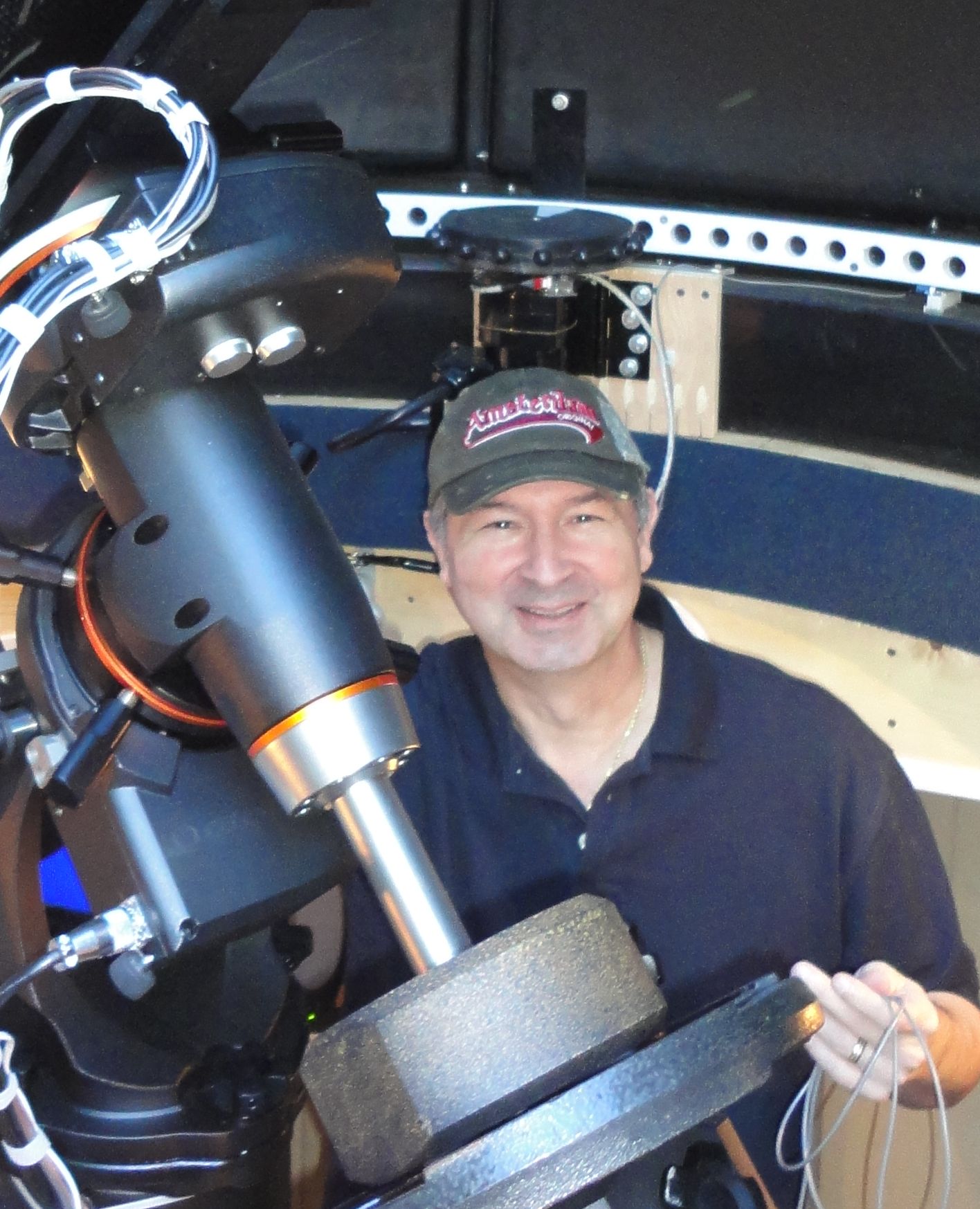
Christopher Krstanovic, AI2F, is a lifelong amateur radio operator, first licensed in the US in 1980s as WR1F. He holds degrees in Physics and a PhD in Electrical Engineering, and his career has spanned corporate engineering as well as technology entrepreneurship. After leaving corporate America, he founded and led three companies before returning to active amateur radio under his current call sign. His operating interests include HF, antenna design, practical radio engineering, Astronomy.


Copyright 2026 © Cabarrus Amateur Radio Society. All Rights Reserved.