Cabarrus Amateur Radio Society

Cabarrus County, Concord, NC

Choosing Ham Radio Equipment as a Newcomer
A Practical, No-Nonsense Guide to Your First Station
One of the first questions new amateurs ask after earning their license is also one of the most confusing: What radio should I buy? Walk into a ham store, browse an online catalog, or listen to advice on the air, and you’ll quickly be buried under model numbers, features, and opinions—many of them conflicting.

The good news is this: getting started in amateur radio does not require exotic gear, cutting-edge technology, or a large budget. In fact, most successful hams began with simple, reliable equipment and learned the fundamentals before upgrading. This article will help you do the same.


Start with the Bands You Can Actually Use
Before buying anything, understand what your license allows. Technician licensees, for example, have full privileges above 30 MHz and limited access to HF. That means VHF and UHF FM are your bread and butter at the start. Your first radio should reflect that reality.

A basic dual-band VHF/UHF transceiver will let you work local repeaters, join nets, participate in emergency communications, and learn proper operating procedures. These radios are affordable, durable, and easy to use—exactly what a newcomer needs.

HF radios are tempting, and many new hams rush to buy one. There’s nothing wrong with that, provided you understand the limitations of your license and the additional complexity involved. HF stations require antennas, grounding, space, and patience. VHF/UHF lets you get on the air quickly and build confidence.

Handheld or Mobile? Choose Based on Reality, Not Marketing
Handheld transceivers (HTs) are often the first purchase, and for good reason. They’re portable, inexpensive, and useful long after you’ve built a larger station. A solid 5-watt dual-band HT paired with a better antenna can provide reliable access to nearby repeaters.

However, don’t overlook mobile radios. A 25–50 watt mobile transceiver used at home with a proper power supply and external antenna will dramatically outperform any handheld. If your goal is dependable communication rather than portability, a mobile radio is often the smarter first investment.

Buy Quality, Not Gimmicks
Modern radios are loaded with features—GPS, Bluetooth, touchscreens, wideband receive—but beginners often mistake features for capability. Reliability, receiver performance, and ease of use matter far more than flashy extras.
Stick with established manufacturers that have proven track records. There’s a reason certain brands dominate repeater systems and emergency service groups: they work when it counts. Avoid ultra-cheap radios with questionable specifications and little documentation. Saving a few dollars up front often costs more in frustration later.

Don’t Skimp on the Antenna
It bears repeating: the antenna matters more than the radio. A modest transceiver with a good antenna will outperform an expensive radio connected to a poor one every time.
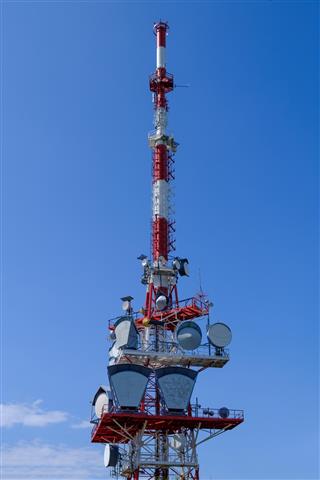
If you’re operating at home, invest in a quality outdoor antenna mounted as high and as clear as practical. If you’re using an HT, upgrade the stock “rubber duck” immediately. Even a simple quarter-wave whip can make a noticeable difference.

Good feedline, proper connectors, and careful installation are part of the antenna system. This is where learning good habits early pays off for the rest of your amateur career.

Buy Used—Carefully
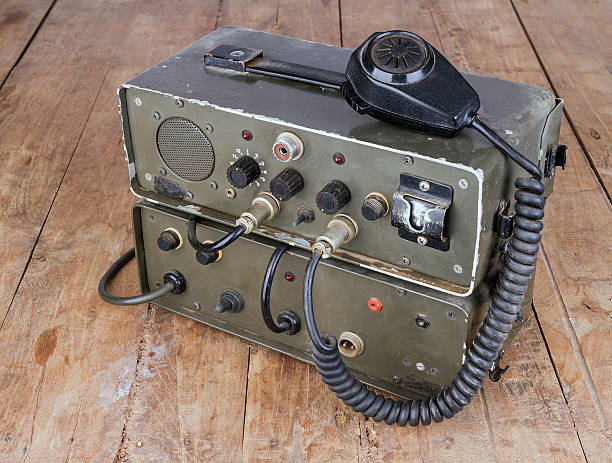
Used equipment has always been part of amateur radio tradition. Many excellent radios are available secondhand
at Hamfests, club meetings, and from fellow hams. Buying used can stretch your budget and get you better gear than buying new at the same price point.
That said, buy from reputable sources, ask questions, and avoid equipment that’s been “modified” unless you know exactly what you’re getting. A radio that works as the manufacturer intended is far more valuable to a newcomer than a heavily tweaked one.

Grow with Your Station
Your first radio will not be your last—and that’s perfectly fine. Amateur radio is a lifelong learning hobby. Start simple, master the basics, and let your interests guide future purchases. Whether you move into HF, digital modes, satellites, or emergency communications, the fundamentals you learn with your first station will carry forward.
Above all, remember this: the goal isn’t to own equipment—it’s to communicate. Choose gear that gets you on the air reliably, encourages you to operate, and lets you learn the craft the way generations of hams have before you.
That approach has worked for over a century, and it still works today.


This article is reprinted with permission of the author, Christopher Krstanovic - AI2F.
About Author
Christopher Krstanovic, AI2F, is a lifelong amateur radio operator, first licensed in the US in 1980s as WR1F. He holds degrees in Physics and a PhD in Electrical Engineering, and his career has spanned corporate engineering as well as technology entrepreneurship. After leaving corporate America, he founded and led three companies before returning to active amateur radio under his current call sign. His operating interests include HF, antenna design, practical radio engineering, Astronomy.


Copyright 2026 © Cabarrus Amateur Radio Society. All Rights Reserved.