Cabarrus Amateur Radio Society

Cabarrus County, Concord, NC


Low Power Contesting: Skill Beats Hardware
Why 100 watts into wire is enough—and why it makes you a better operator!
Low power contesting proves a simple truth: skill beats hardware. It brings amateur radio back to its roots, where 100 watts, a wire antenna, and good operating decisions—not towers or amplifiers—determine success..


Before we talk about contest strategies, antennas, or awards, we need to get one definition straight. “Low power” is not just a number on the front panel of your transmitter. What actually matters on the air is effective radiated power (ERP).

ERP is the combination of transmitter output power and antenna gain. A 100 watt radio feeding a 13 dB Yagi does not behave like a 100 watt station. In practical terms, that signal is in the neighborhood of 2000 watts ERP in the favored direction. That is not low power.

For the purposes of this article, low power means 100 watts or less into a simple wire antenna or a vertical, with no significant directional gain. A dipole, inverted V, loop, end-fed wire, or basic vertical fits this definition perfectly. This is the station many club members already own—and it is more capable than most people realize.

There’s also a companion article "Essential Contesting Tips for Ham Radio Beginners", which is well worth your time.

Contesting Isn’t About Big Stations
Contesting gets a bad reputation because people associate it with towers, stacks of Yagis, and amplifiers. Those stations exist, and they are impressive—but they are not the point.

At its core, contesting is about operating efficiency. You are exchanging minimal information, under changing propagation, often in noise and interference. That environment rewards operators who can listen carefully, think ahead, and make good decisions quickly.


Low power contesting strips away the illusion that equipment will save you. When you operate with wire antennas and modest power, every contact is earned. That pressure sharpens skills faster than casual operating ever will.

What do you really need...


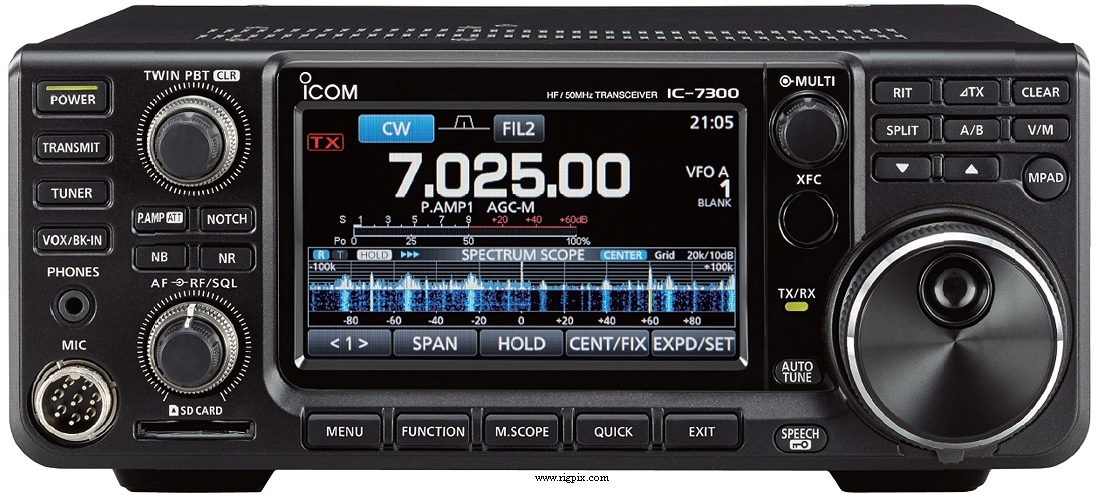
Any 100W HF Rig

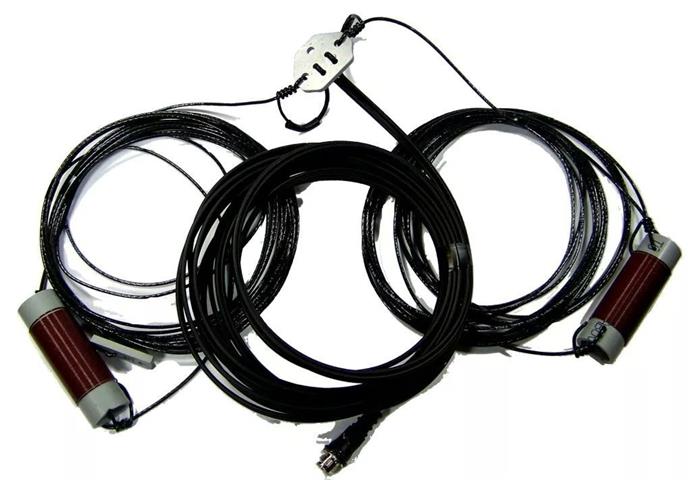
Wire or Vertical Antenna

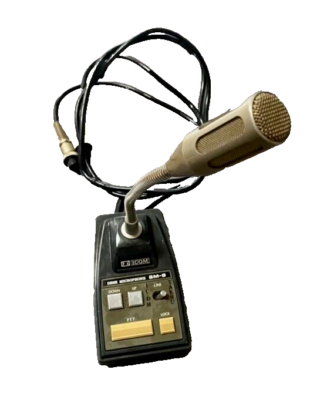
Microphone

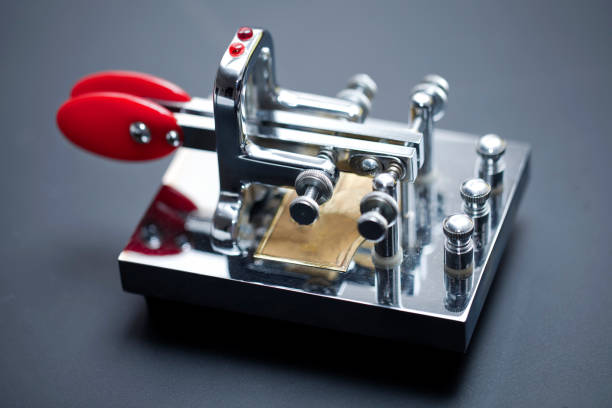
Key


What Contesting Really Is
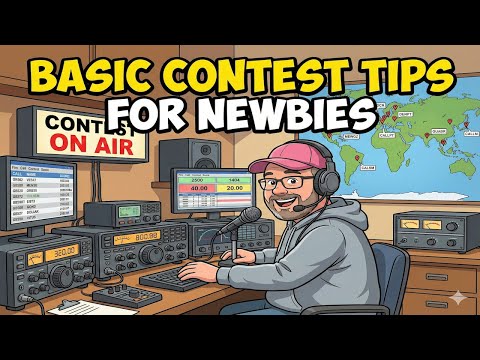
Contesting—falls under radio-sport—is structured amateur radio operating within a set time window and rule set.
Each contest defines:
  • Who you can work (DX only, domestic only, or everyone)
  • What information is exchanged
  • What modes are allowed (SSB, CW, Digital)
  • How contacts are scored and multiplied

There are single-operator and multi-operator categories, assisted and unassisted entries, and power limits ranging from QRP through high power. You choose the category that matches your goals and station—and then operate within it.

The exchange is deliberately short. That is not rudeness; it is discipline. Contesting rewards clarity and precision.

Why Low Power Contesting Is Worth Doing
  • It’s Genuinely Fun
    • There is satisfaction in solving a technical and operational problem in real time. Running low power and making DX contacts others miss is deeply rewarding.
  • Bragging rights, of course!
  • For certificates and plaques (1st, 2nd, 3rd place…)
  • To enjoy competing
  • However, contesting also:

Multiplies Award Progress
One contest can produce contacts across dozens of states, multiple countries, and multiple zones. Contest logs count toward many awards, including WAS, DXCC, and numerous regional awards. Instead of chasing contacts one at a time, contesting lets propagation do the heavy lifting.

  • Worked All States (WAS) – or expand to Worked All Counties (WACnty)
  • Worked All Continents (WAC) or Worked All Zones (WAZ)
  • DXCC – the classic 100-country benchmark and beyond
  • Worked All Prefixes
  • Worked All Japanese Prefectures
  • Worked All Russian Oblasts
  • Hundreds of other operating awards

Makes You a Better Operator

This is not a vague claim—it is obvious after your first full contest weekend. Contest operators must:
  • Copy calls correctly the first time
  • Pick the right moment to transmit
  • Understand when a band is open to them, not just generally open
  • Recognize when to stay and when to move

These skills transfer directly to nets, emergency communications, and everyday HF operation.

Choosing the Right First Contest
Not all contests are equally friendly to low power stations. Start with events that guarantee strong activity.
Good choices include:

  • CQ Worldwide – Massive participation and worldwide propagation
  • CQ WPX – Everyone works everyone; great for steady rates
  • ARRL DX Contest – Simple exchange and strong DX focus
  • ARRL Sweepstakes – Demands accuracy and good operating habits
  • ARRL Field Day – Ideal for wire antennas and modest power
  • State QSO Parties – Smaller states turn you into sought after DX

Large contests provide a dense target environment. That density is exactly what low power stations need.

Start with One Band
One of the smartest low power strategies is single-band operation. Instead of chasing every opening, you learn one band deeply—how it opens, how it fades, and how it behaves at different times of day.

Before the contest, listen to HF beacons or simply monitor the band during the days leading up to the event. CW beacons are especially valuable because they reveal usable signal-to-noise ratios long before SSB sounds workable.
It is a good idea to sit with an experienced operator during a contest before going on your own.

Low power success is less about brute strength and more about timing.

Propagation Planning and Band Switching
Low power contesting lives or dies by propagation awareness. You cannot overpower poor conditions—but you can be on the right band at the right time.

Bands do not simply open and close; they ramp up, peak, and fade, often differently for domestic and DX paths. Time of day, season, solar flux, and grayline effects all influence which bands are productive at a given moment. Low power operators who pay attention to these patterns consistently outperform stronger stations that stay put too long.

One of the most critical skills in contesting is knowing when to change bands. If rates slow, stations become harder to work, or you hear only the same few signals, the band is telling you something. Good operators move early—not late—and let propagation work for them instead of fighting it.

Search and Pounce: The Foundation
Most low power contesting begins with search and pounce—tuning the band and calling stations that are already running.

Effective techniques include:
  • Tune methodically instead of jumping randomly
  • Work loud, stable signals first
  • Listen to how an operator handles callers before transmitting
  • Call once or twice with good timing, then move on if necessary

Persistence matters, but stubbornness wastes time. Good low power operators are constantly moving and reassessing.

When (and How) to Run a Frequency
Running a frequency with a wire antenna is entirely possible—but conditions must be right.

When - Indicators that it may work:
  • Many strong signals across the band (S9+)
  • Evidence of multi hop propagation
  • Your own success during search and pounce

How:
  1. Find a small opening, call CQ, and keep your exchange short and consistent. Keep the calls short (CQ contest ALPHA INDIA 2 FOXTROT)
  2. Do not wait long between calls (2-3 seconds), and do not expect a perfectly quiet frequency. QRM is part of the game.
  3. Learn to live with QRM – it is a contest!

Running teaches discipline. Even a short successful run can produce more contacts than an hour of search and pounce.

Improving a Low Power Station
Antennas First, Always

Height, orientation, and pattern matter more than raw power. Even with wire antennas, small changes can have large effects.
  • Optimize height for the bands you use most
  • Experiment with loops, inverted Vs, and wire arrays
  • Think about which directions matter for a given contest

Books like the ARRL Antenna Book and ON4UN’s Low Band DXing are full of practical ideas that apply directly to low power stations.

Ergonomics Matter
  • A headset and foot switch reduce fatigue and improve efficiency.
  • A voice keyer is a good addition.
  • Logging accuracy improves when your hands are free and your posture is relaxed.

Use Logging and Control Software
  • Modern logging software with rig control and keying support removes friction.
  • Automated CQ calling during slow periods helps maintain consistency—especially late at night.

Learn CW
  • CW is the low power operator’s secret weapon.
  • Narrow bandwidth and superior signal to noise performance allow modest stations to compete far above their apparent power level.
  • A 100 watt CW signal into a wire antenna often behaves like a kilowatt level SSB signal in real conditions.
  • CW extends band openings and makes weak paths usable.

A Note for Novice Operators

Technician licensees are often overlooked when contesting is discussed, but they can absolutely participate and gain real operating experience. While HF voice privileges are limited, there are still meaningful and worthwhile contest opportunities.

Technicians may operate SSB on 10 meters and CW on several HF bands. In reality, many Technicians today do not know Morse code, which makes 10 meters SSB the most accessible starting point. When 10 meters is open, low power stations using simple wire antennas can perform extremely well, especially during favorable solar conditions.

For those willing to explore CW—even at a basic level—contesting opens many additional doors. Contest CW exchanges are short, structured, and highly repetitive, making them far easier to copy than casual CW contacts. Modern CW decoding and training software, along with contest logging programs that provide sidetone keying and message memory, can significantly lower the learning barrier while skills are developing.

Low power, simple antennas, and disciplined operating fit the Technician station well and provide a practical path toward stronger operating skills—and, for many, eventual license advancement.

Final Thoughts
Low power contesting is not about accepting limitations—it is about operating intelligently within them.

With 100 watts, a simple antenna, and good habits, you can work serious DX, post respectable scores, and dramatically improve your operating skill. Contesting rewards preparation, timing, and discipline far more than equipment alone.

If you already have a basic HF station, you are not under-equipped. You are ready. The only remaining step is to get on the air and find out what your station—and your skills—can really do.


Useful Links
https://www.contesting.com/ - Contesting website
http://www.arrl.org/contests - ARRL Contesting website
https://www.ncdxf.org/beacon/index.html - DX Beacons
https://www.solarham.com/ - Solar Ham, Space Weather


This article is reprinted with permission of the author, Christopher Krstanovic - AI2F.
About Author
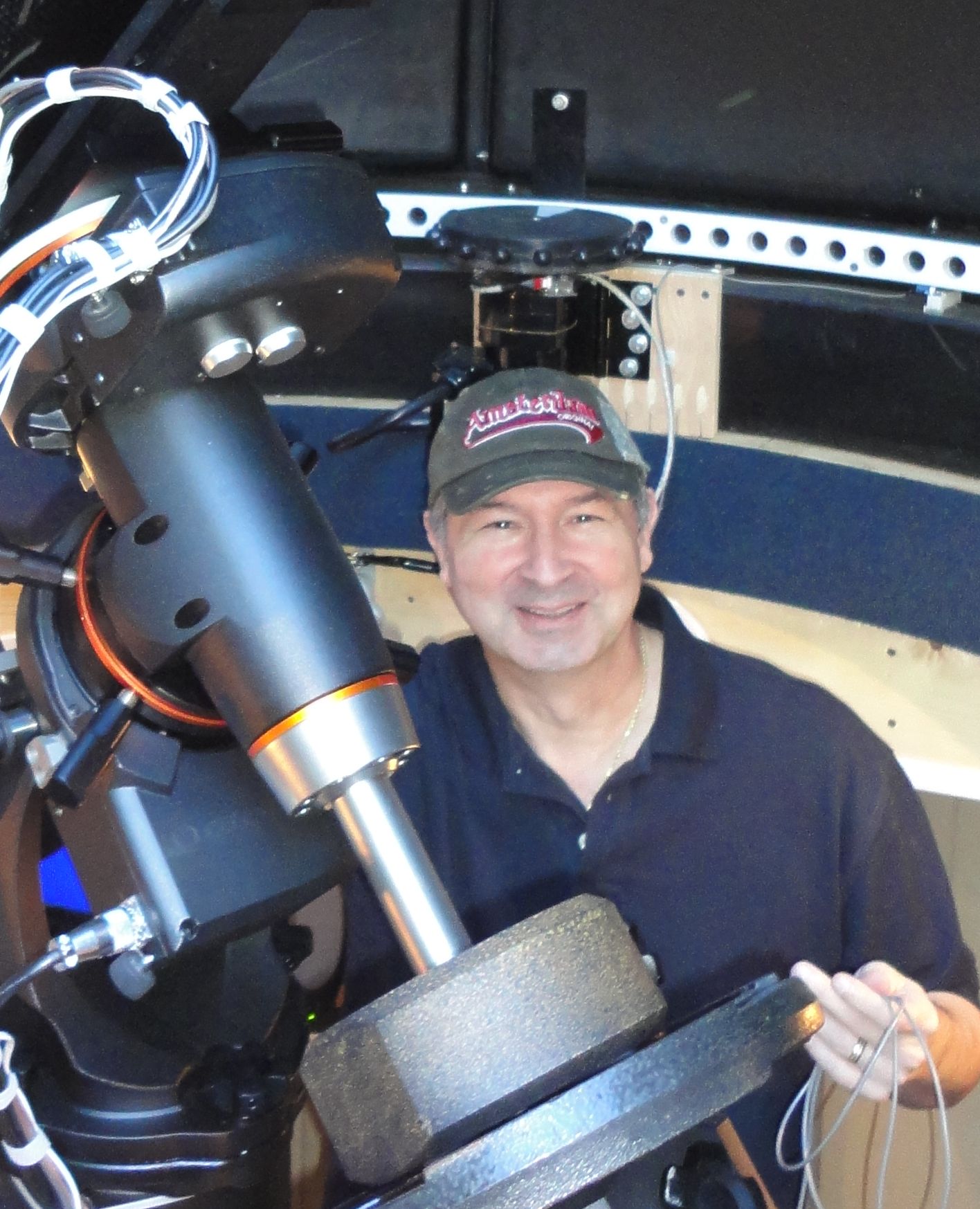
Christopher Krstanovic, AI2F, is a lifelong amateur radio operator, first licensed in the US in 1980s as WR1F. He holds degrees in Physics and a PhD in Electrical Engineering, and his career has spanned corporate engineering as well as technology entrepreneurship. After leaving corporate America, he founded and led three companies before returning to active amateur radio under his current call sign. His operating interests include HF, antenna design, practical radio engineering, Astronomy.
Copyright 2026 © Cabarrus Amateur Radio Society. All Rights Reserved.