Cabarrus Amateur Radio Society
Cabarrus County, Concord, NC


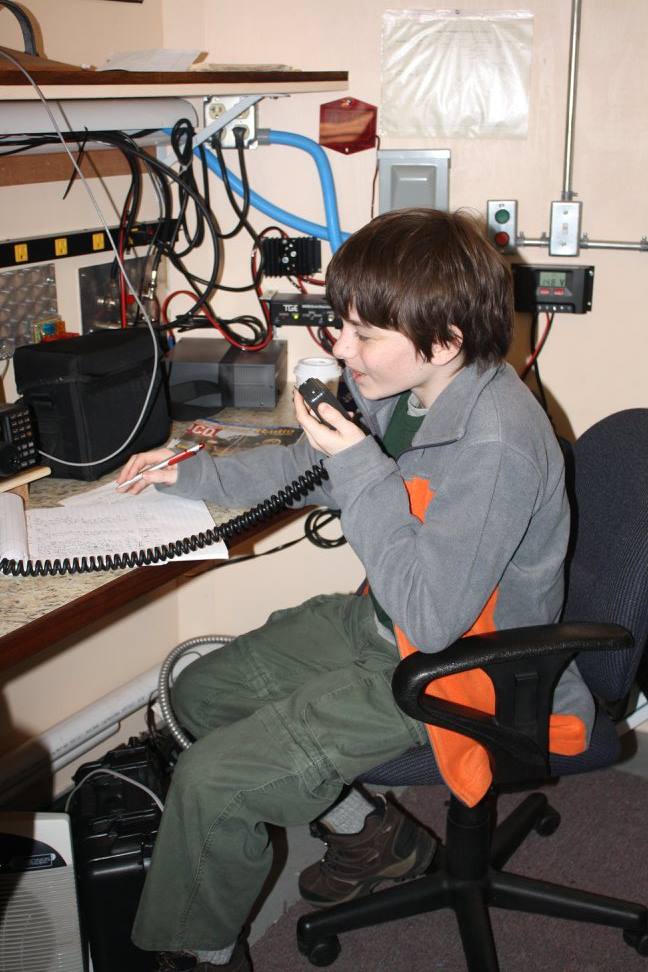 Digital modes like FT8 and FT4 make this even easier. As an experiment, I set out to see how long it would take to earn the ARRL DXCC award using only 10-meter band. Running FT8/FT4 at just 25 watts, I reached DXCC in under a month. Most of Europe and all of South America fell the first weekend. Soon after, I added Australia, Japan, China, and South Africa. Along the way, I accidentally completed Worked All States and picked up several QRZ awards — without spending endless hours on the air.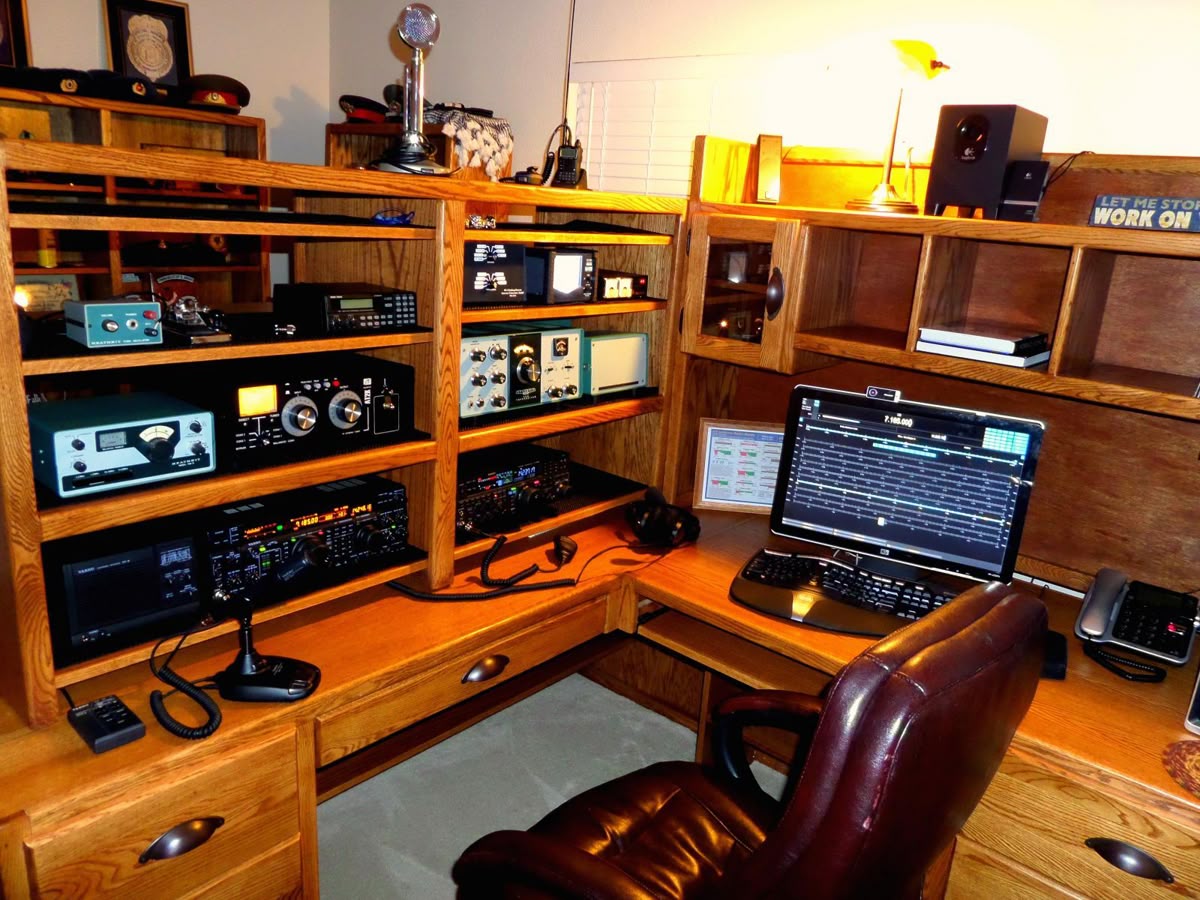
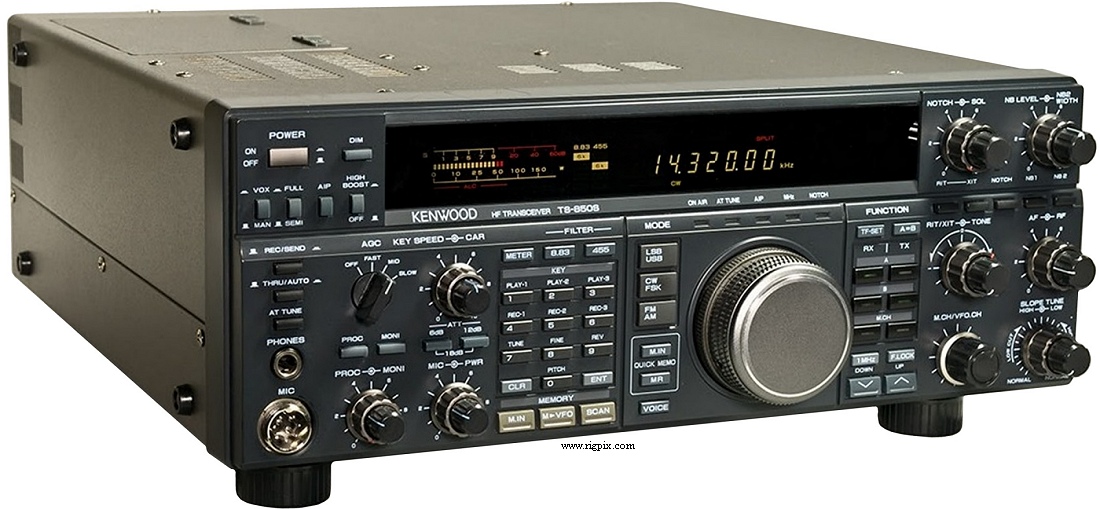 If you want to explore 10 meters or prepare for your General upgrade, consider:
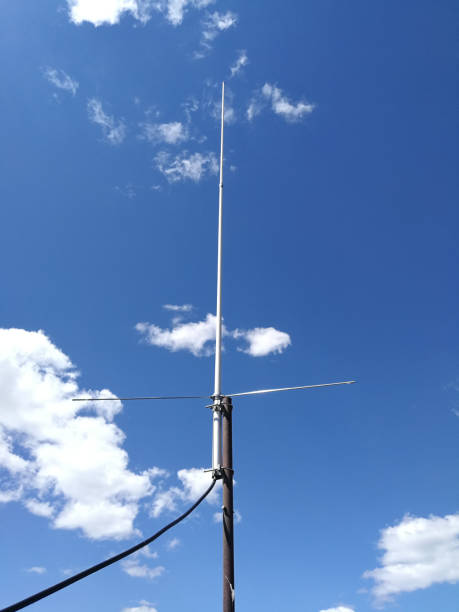 • Simple vertical: Roof, balcony, or attic. A homemade 2m ground plane antenna costs about $5 and performs as well as many commercial options. Internet is your friend.
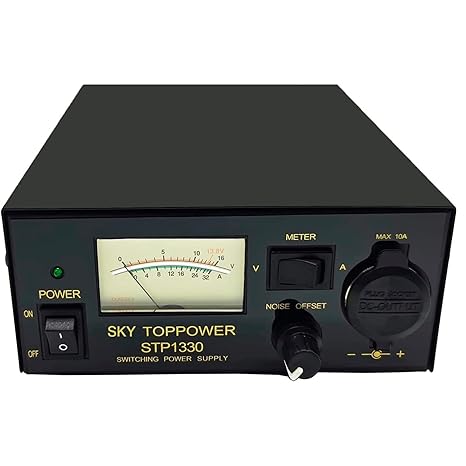 If you’re running a mobile or HF radio at home, you’ll need a 12V power supply, with 20–30A continuous output capability, and Low noise (critical for HF). Most hams start with a 30A switching supply — affordable and reliable.
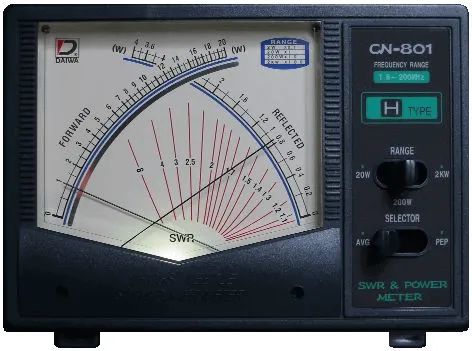 An SWR meter is essential. It shows how efficiently your antenna system is working and whether your antenna is properly tuned. High SWR can indicate:
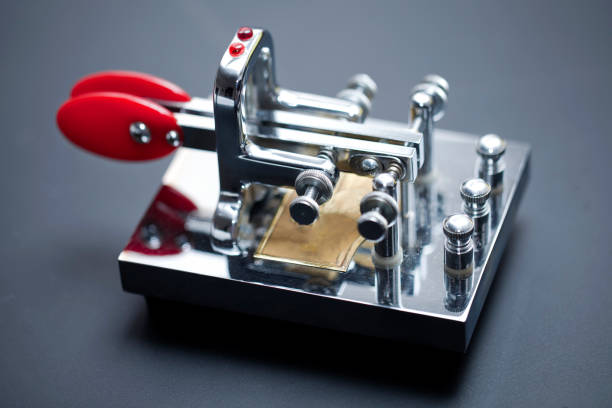 CW remains one of the most effective modes for DX. While SSB often requires high power and directional antennas, CW can punch through with far less. Learning CW takes time, but software like CW Skimmer can decode multiple CW signals at once with impressive accuracy. Free alternatives exist, but they require more manual tweaking. I can copy Morse pretty good, but I still use CWskimmer, so I can see stations nearby in real time.
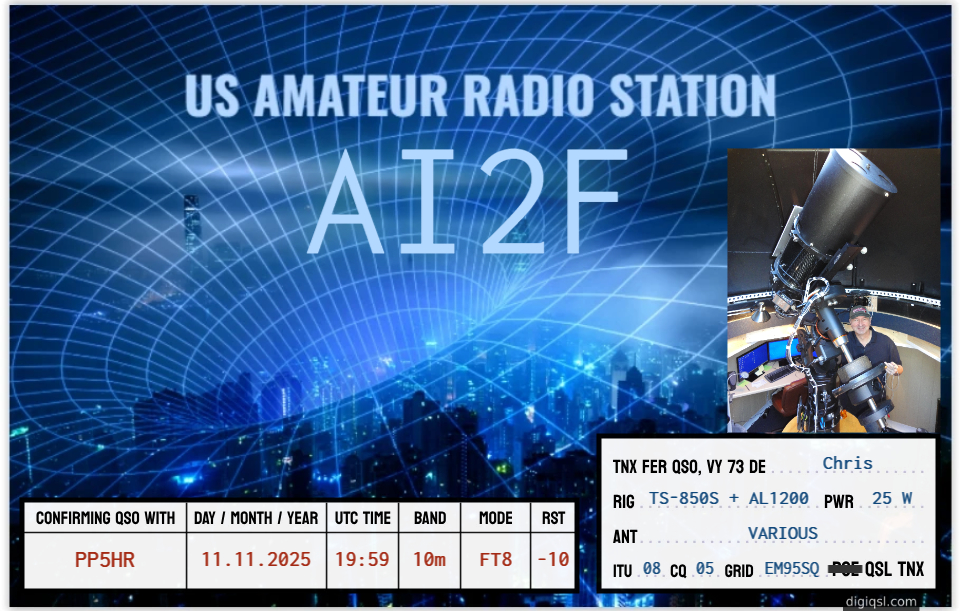 In the old days, back when dinosaurs walked the Earth, QSL cards were exchanged by mail — often with “green stamps” for return postage, or using a Buro - a much cheaper and slower alternative. When you collect enough, you would send them to ARRL or whoever, an d they would return them to you along with some award… or you would just pin them up on your wall and show off. Today, digital confirmations are fast and free:
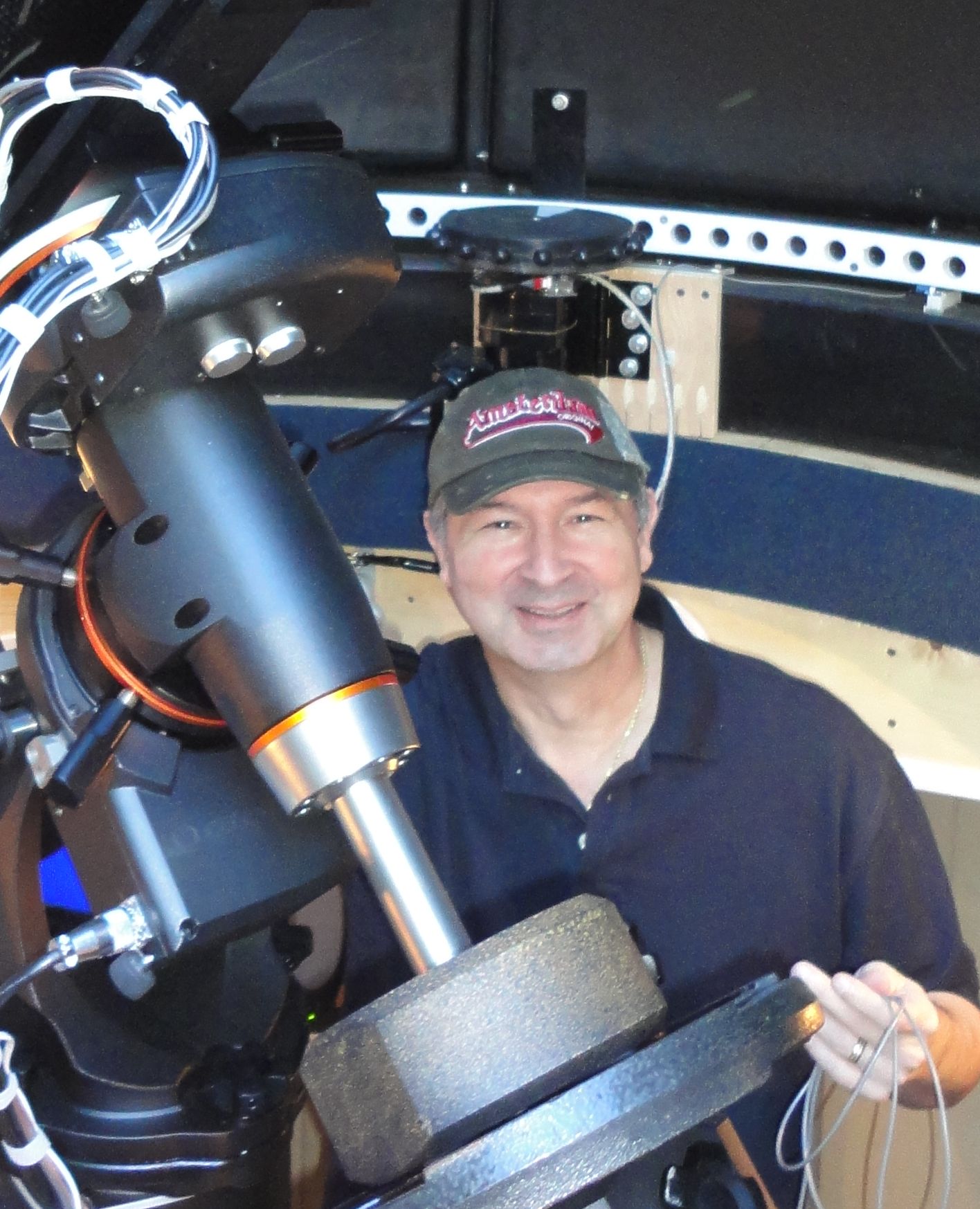 Christopher Krstanovic, AI2F, is a lifelong amateur radio operator, first licensed in the US in 1980s as WR1F. He holds degrees in Physics and a PhD in Electrical Engineering, and his career has spanned corporate engineering as well as technology entrepreneurship. After leaving corporate America, he founded and led three companies before returning to active amateur radio under his current call sign. His operating interests include HF, antenna design, practical radio engineering, Astronomy.