QSL Fees in Some Regions: Reality Check
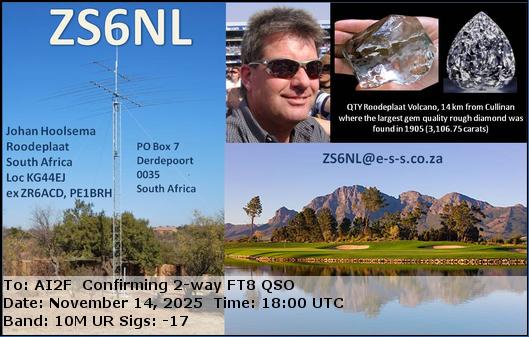
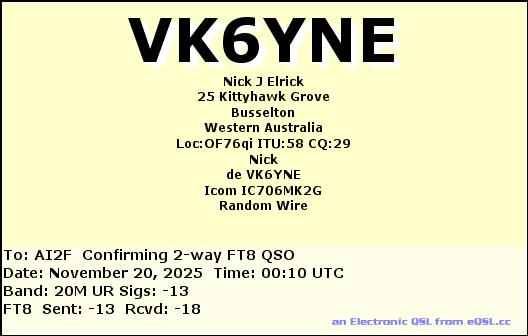
In some regions—particularly parts of Africa, South America, and other developing countries—DX operators often request payment for QSL confirmations. This is not limited to paper cards which would be understandable; some even demand a PayPal contribution in exchange for a LoTW or eQSL upload, typically $3–$5 per contact. For operators handling hundreds of QSL requests per month, this can represent serious income in local economies.
Why it happens:
• Mailing costs: International postage can be prohibitively expensive relative to local income.
• Time and effort: Some operators have limited access to reliable mail services or internet connections, making even a simple QSL confirmation burdensome.
• Economic necessity: For some, the small fee offsets equipment, power costs, or general living expenses.
What operators should know:
• Fees are not standard practice worldwide, but they do occur.
• Respectful communication and understanding go a long way—some operators are willing to confirm QSLs for free if approached politely.
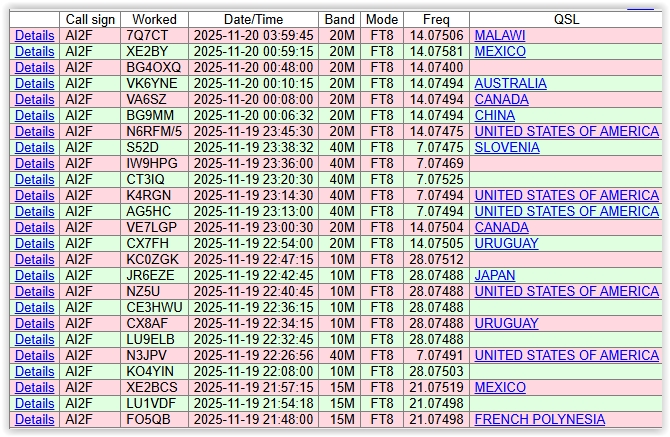
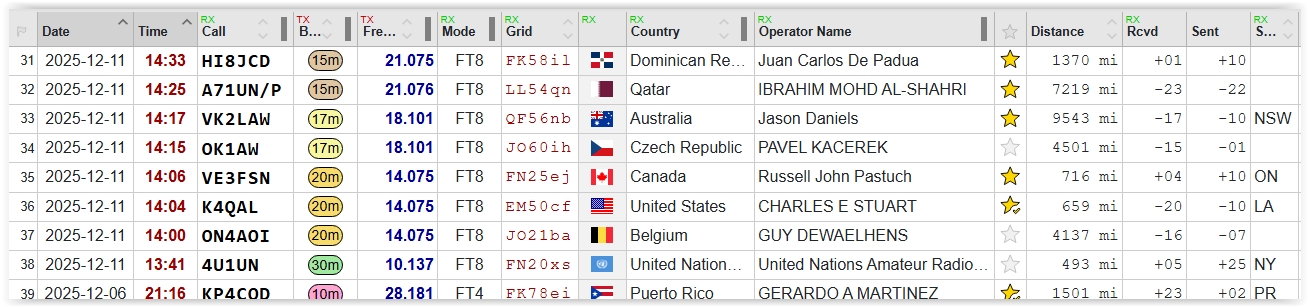
• Digital confirmations (LoTW, eQSL) often bypass these issues entirely, offering guaranteed, free confirmation when properly uploaded.
A Practical Approach:
• Consider sending digital confirmations first, reserving paper cards for special contacts.
• If a fee is requested for a paper QSL, weigh the rarity of the contact against your willingness to pay.
• Keep expectations realistic: not every station will confirm, especially in regions with challenging logistics.
Understanding this dynamic is part of the art of DXing and QSLing. It reminds us that amateur radio exists in a global, real-world context—where economics, infrastructure, and geography intersect with our hobby.
Key Points:
• Many of these stations are not providing a service for free; they are treating QSLing as a source of revenue.
• While $3–$5 per QSL may seem modest, paying as a matter of principle undermines the amateur spirit.
• Digital confirmations like LoTW and eQSL are meant to be free; sending money is never required to get a legitimate confirmation.
Practical Advice:
• Avoid paying for QSL confirmations unless a rare or special contact truly matters to you.
• Remember: amateur radio is a hobby, not a business—DX operators should not expect profit for standard confirmations.
• Approach politely if a station insists on payment, but don’t feel obligated; respect for the hobby comes first.
This sidebar reminds hams that QSLing is about shared effort, propagation skill, and global goodwill—not transactions. Keeping principle over payment preserves the integrity of the hobby for everyone. However, this practice will continue, until the rest of us stop being extorted.

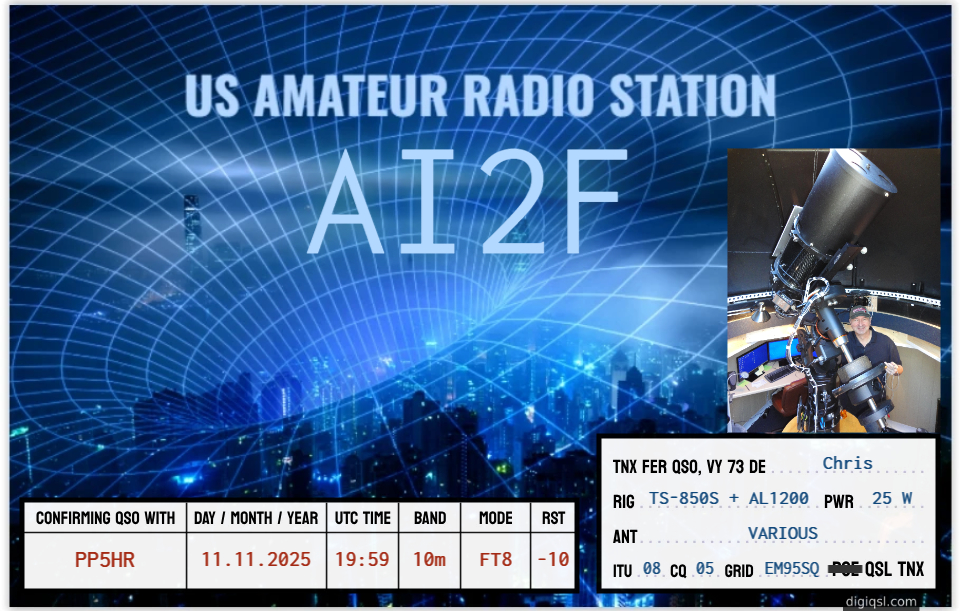
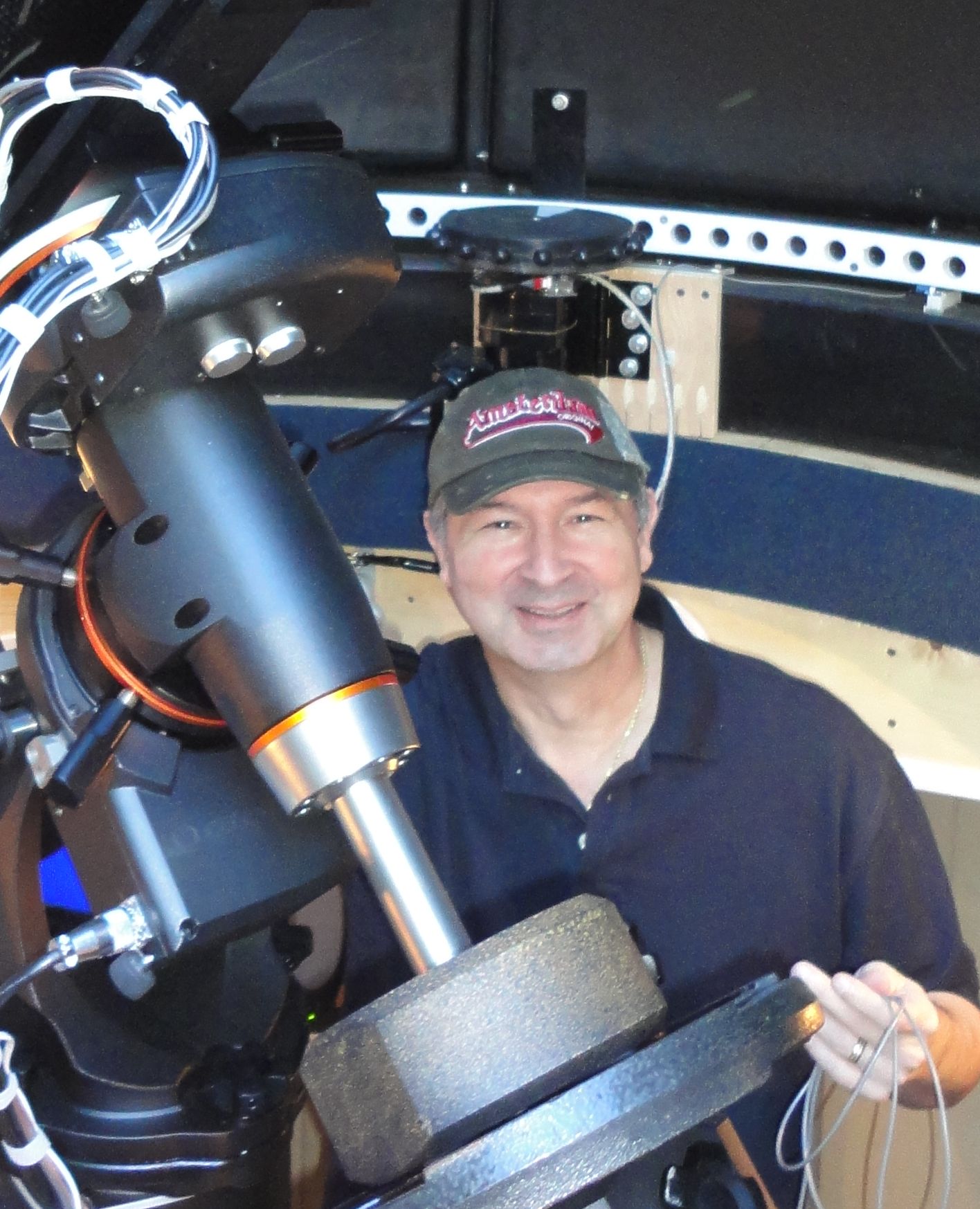 Christopher Krstanovic, AI2F, is a lifelong amateur radio operator, first licensed in the US in 1980s as WR1F. He holds degrees in Physics and a PhD in Electrical Engineering, and his career has spanned corporate engineering as well as technology entrepreneurship. After leaving corporate America, he founded and led three companies before returning to active amateur radio under his current call sign. His operating interests include HF, antenna design, practical radio engineering, Astronomy.