Cabarrus Amateur Radio Society

Cabarrus County, Concord, NC


Who Invented Radio?
Radio was invented by a generation — a community — of physicists, engineers, and stubborn experimenters who refused to leave Maxwell’s equations on the chalkboard.

... And in that sense, the invention never stopped....

The works below offer both primary sources and thoughtful scholarship on one of the most transformative technologies in human history.


If you’ve been around amateur radio for more than about fifteen minutes, you’ve heard the argument. Someone says “Marconi invented radio,” someone else fires back “No, it was Tesla,” and before long somebody is invoking Hertz, Lodge, Popov, or even Edwin Howard Armstrong. It’s a perennial debate, and like many good arguments in our hobby, it has just enough truth on all sides to keep it alive forever.

So who invented radio?
The honest answer — the historically defensible answer — is that no single person did. Radio was not a lightbulb moment in a single laboratory. It was a chain of discoveries, refinements, and bold engineering leaps that stretched across decades and continents. If you’re a ham, that story should feel familiar. Our entire service rests on that same blend of theory, tinkering, competition, and practical problem-solving.

So, let’s give credit where it is due:

The Theoretical Foundation: James Clerk Maxwell
Before anyone ever sparked a transmitter, the mathematics of radio were already written down.


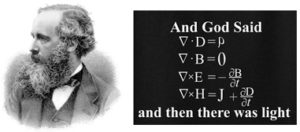
In the 1860s, the Scottish physicist James Clerk Maxwell published his equations describing electromagnetic fields. In 1864, he proposed that light itself was an electromagnetic wave and that other waves might exist at different wavelengths.

At the time, this was theoretical physics of the highest order. No antennas. No coherers. No sparks. Just equations.

Maxwell predicted that changing electric and magnetic fields could propagate through space as waves traveling at the speed of light. That was the blueprint. Without Maxwell, there is no radio.

His work is the bedrock. But Maxwell did not build radio. He showed that it was possible.

Proving the Waves Exist: Heinrich Hertz
The next great step came from Germany.


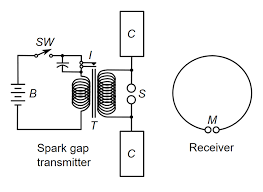
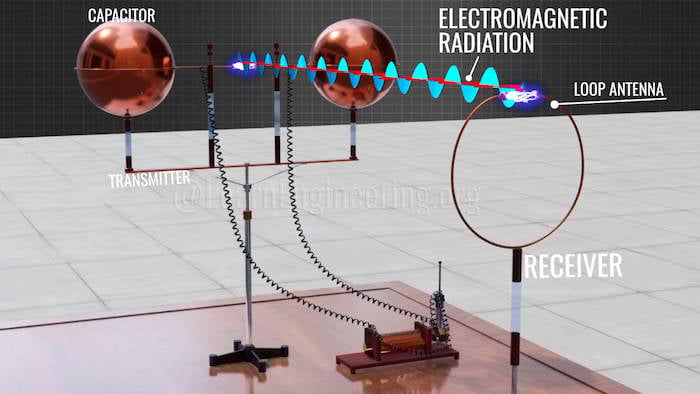
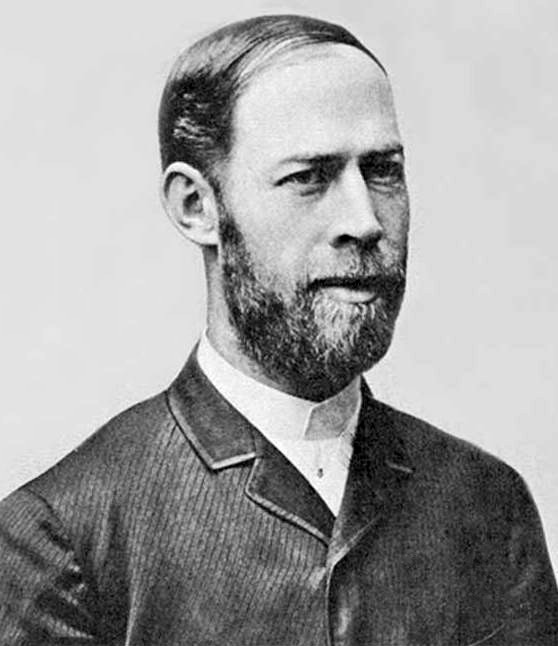
In the late 1880s, Heinrich Hertz set out to experimentally verify Maxwell’s predictions. Between 1886 and 1889, he generated and detected electromagnetic waves in his laboratory using spark gaps and simple wire loops.
Hertz demonstrated reflection, refraction, polarization, and interference of these waves. In other words, he proved they behaved exactly as Maxwell’s equations predicted.


It is hard to overstate the importance of this. Before Hertz, electromagnetic waves were theory. After Hertz, they were a physical reality.

Hertz himself saw no practical application for them.
He reportedly remarked that his discovery was of no use whatsoever. History, of course, had other plans.

Today we measure frequency in hertz. That alone tells you how foundational his contribution was.
But Hertz did not develop communication systems. He proved the phenomenon.

Tuning and Detection: Oliver Lodge
Across the Channel, another key figure was refining the practical aspects.


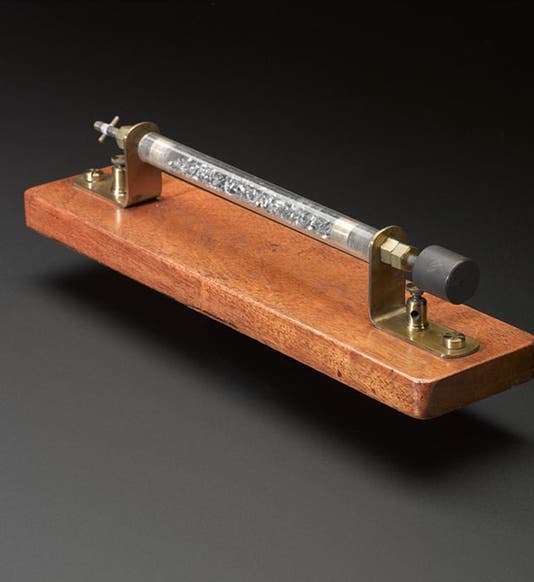
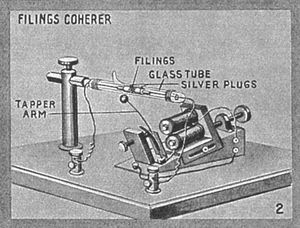
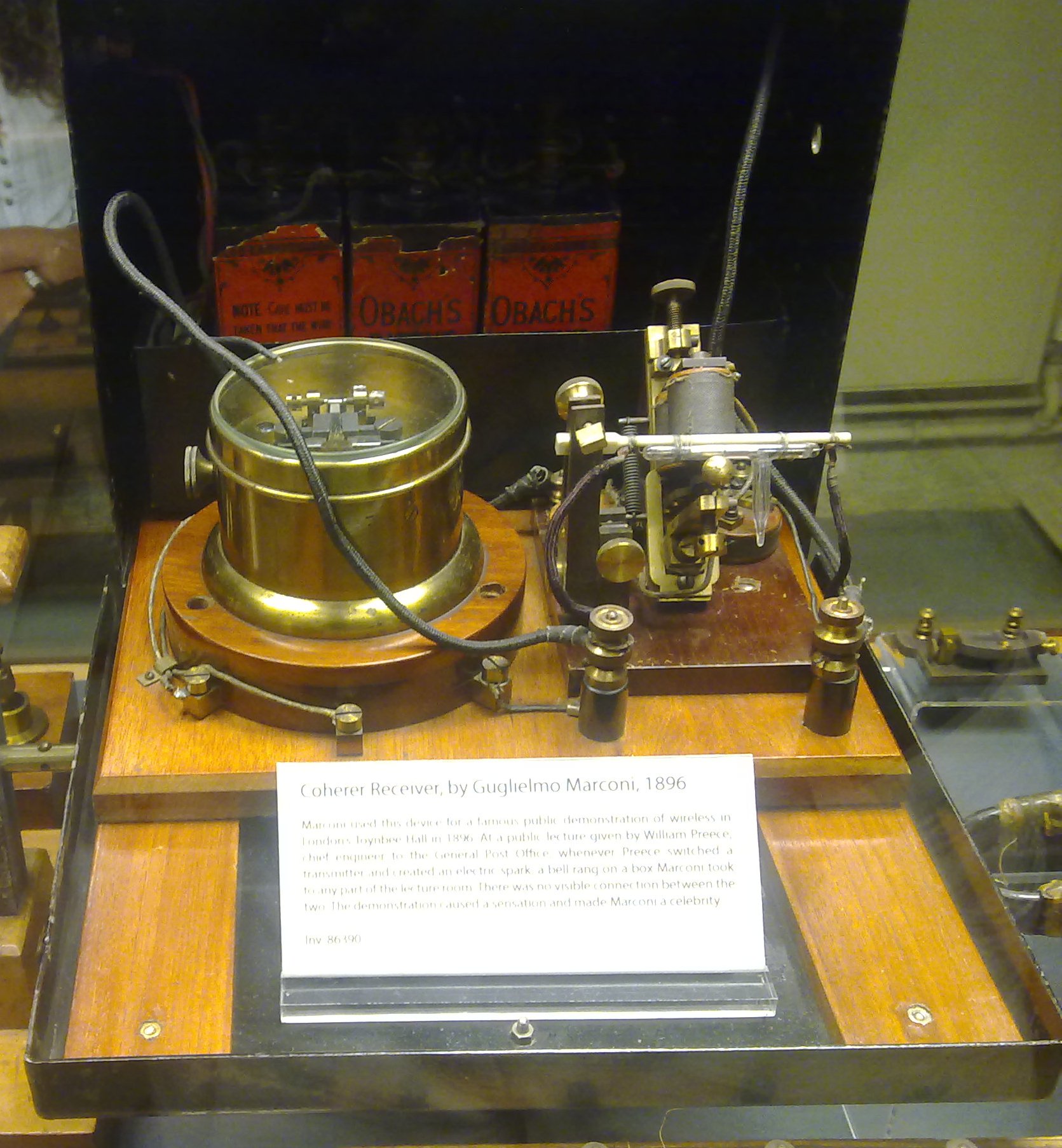
Sir Oliver Lodge worked on resonance and tuning — concepts hams understand instinctively. In the 1890s, Lodge improved upon Édouard Branly’s
Coherer Detector and demonstrated wireless signaling in 1894, shortly after Hertz’s death.


Lodge grasped that resonance was the key to selective communication. He demonstrated tuned circuits and recognized the importance of matching transmitter and receiver. That’s not trivial — that is the basis of every tuned RF stage ever built.

Lodge filed patents covering syntonic (tuned) wireless systems. In later legal battles — including those involving Marconi — these patents became very important.

High Voltage and Big Vision: Nikola Tesla
Now we come to the most polarizing name in the discussion:


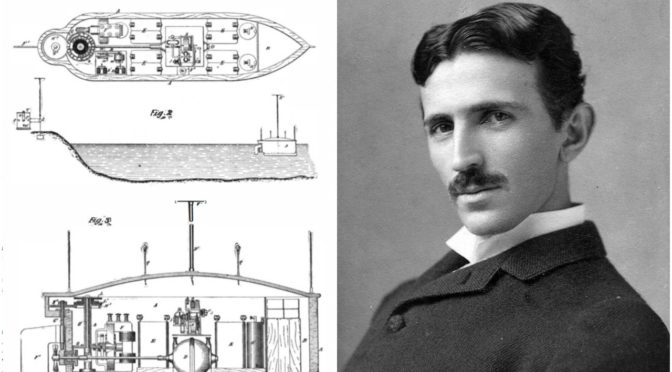
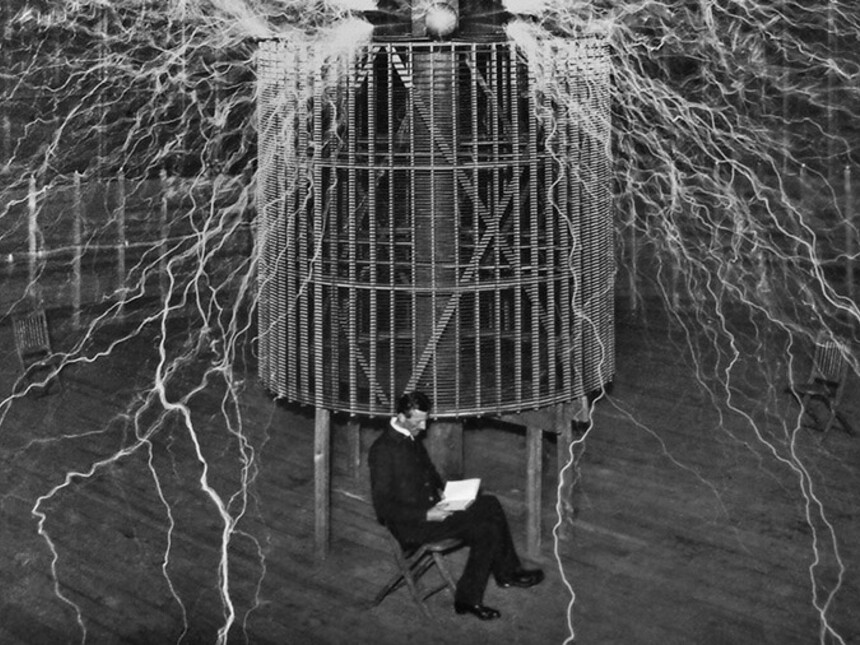
Nikola Tesla was a true visionary and a giant. In the 1890s he worked extensively with high-frequency alternating currents and built powerful oscillators — what we now call Tesla coils. In lectures and demonstrations, he transmitted electrical energy without wires and discussed wireless communication.


Tesla filed patents in the 1890s covering aspects of radio transmission and tuning. In 1898, he demonstrated a radio-controlled boat at Madison Square Garden — a jaw-dropping moment that proved wireless control was possible.

Tesla believed in grand systems — global wireless power transmission, worldwide communication networks, even ideas reminiscent of the
modern smartphone concept (yes, before Apple). Most of those ideas were technically ahead of the supporting infrastructure. Some were economically impractical at the time.

In 1943, the U.S. Supreme Court invalidated certain Marconi patents, recognizing prior art from Tesla and others. That decision is often cited to claim Tesla “invented radio.” The reality is more nuanced. The ruling was largely about patent priority and financial claims, not rewriting the entire historical narrative.

Tesla was unquestionably a pioneer. He anticipated and patented important elements of wireless transmission. But he did not build the first commercially viable wireless telegraph system.

Tesla’s Real Significance

Whatever position one takes in the radio priority debate, Nikola Tesla was and is a towering figure in electrical engineering. His practical polyphase AC system — generators, transformers, and induction motors — made long-distance power transmission efficient and commercially viable. Our modern electrical grid rests on that foundation. Without Tesla’s work, widespread electrification would have been slower (using Edisons DC), more limited, and far less practical.

His high-frequency research also pushed the boundaries of resonant circuits, transformers, and RF behavior. Remove Tesla from history and radio still emerges — others were working the problem — but the electrical infrastructure and high-frequency groundwork that made the twentieth century possible would have developed differently and likely later.


The System Builder: Guglielmo Marconi
Now we arrive at the man whose name became synonymous with radio in the early 20th century.


Guglielmo Marconi did not discover electromagnetic waves. He did not derive Maxwell’s equations. He did not invent the coherer from scratch.

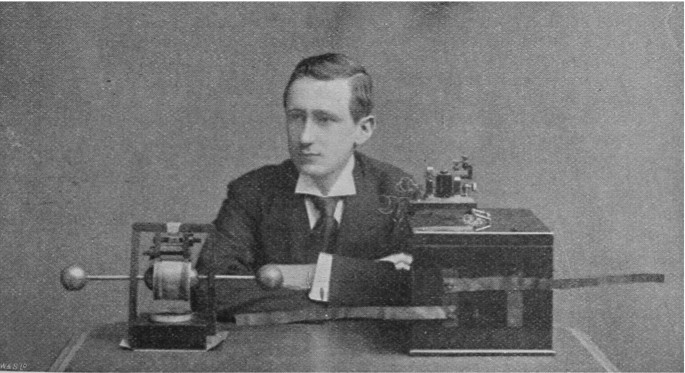
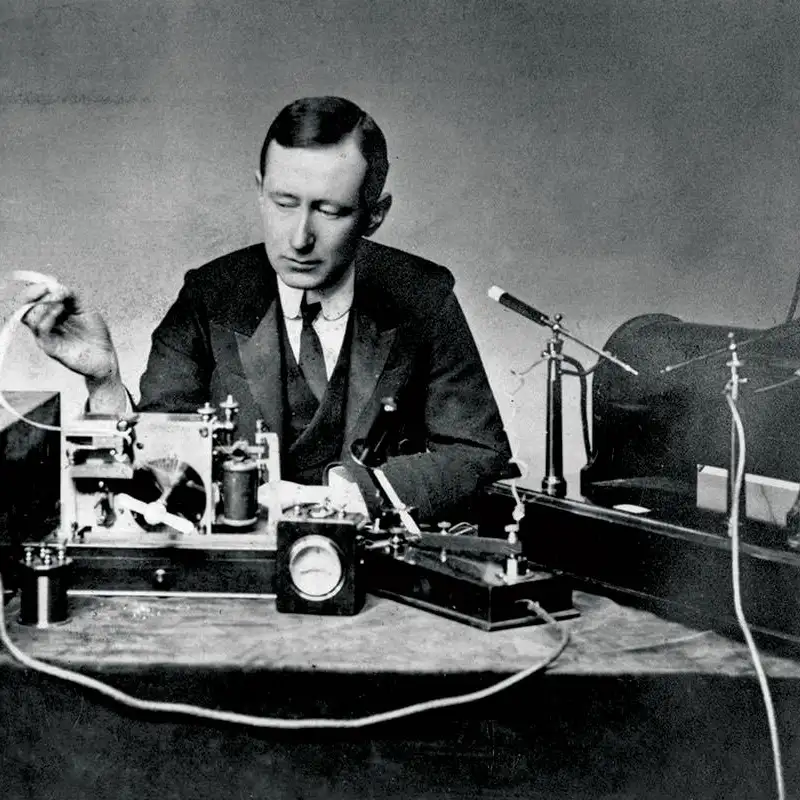
What Marconi did — and this is no small thing — was build a working system and relentlessly push its range and reliability.


Beginning in the mid-1890s, Marconi combined known components — spark transmitters, coherer detectors, elevated antennas, grounding systems — and methodically improved them. He increased antenna height. He used better grounding. He optimized circuits. In 1901, he achieved the first claimed transatlantic wireless signal from Poldhu, England to Newfoundland.

Was it a faint “S”? Was it conclusively verified? I don't know - Historians still debate the details. But the claimed achievement electrified the world.

Marconi built companies. He installed shipboard wireless systems. After the Titanic disaster in 1912, wireless telegraphy was no longer a curiosity. It was a necessity.

In 1909, Marconi shared the Nobel Prize in Physics with Karl Ferdinand Braun. That recognition reflected not just theory, but practical implementation.

Marconi was an engineer and entrepreneur. He transformed laboratory experiments into global infrastructure. If you define “invented radio” as the person who made it commercially viable and world-changing, Marconi makes a powerful case.

Reginald Fessenden and the Birth of Voice
Wireless telegraphy was only the beginning.


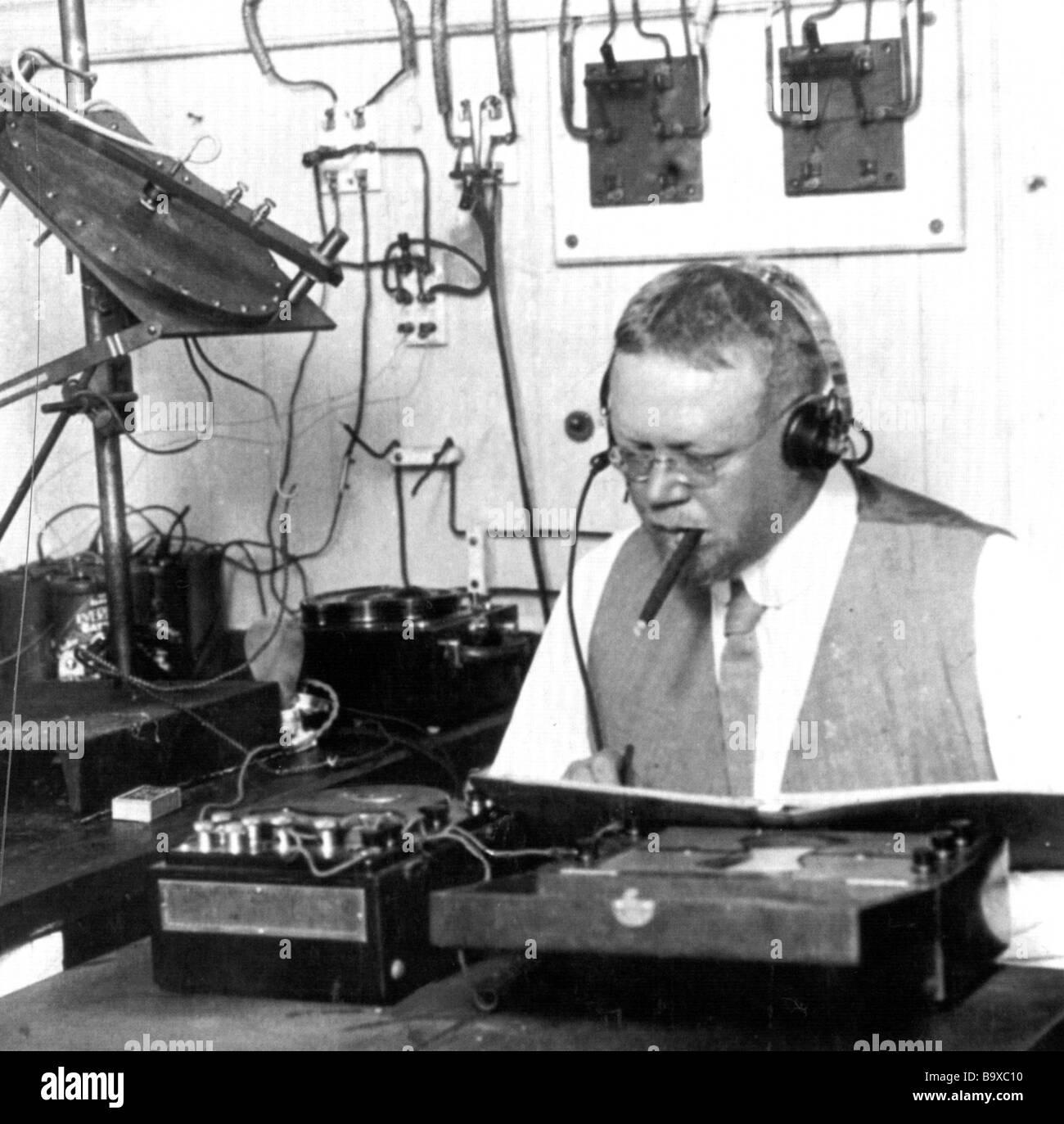
Reginald Fessenden pushed radio beyond spark gaps. On Christmas Eve 1906, he reportedly transmitted voice and music via amplitude modulation from Brant Rock, Massachusetts.

Instead of crude damped waves, Fessenden pursued continuous waves and
heterodyne detection concepts. That shift from clicks to voice is the foundation of broadcasting.

Lee De Forest and the Vacuum Tube
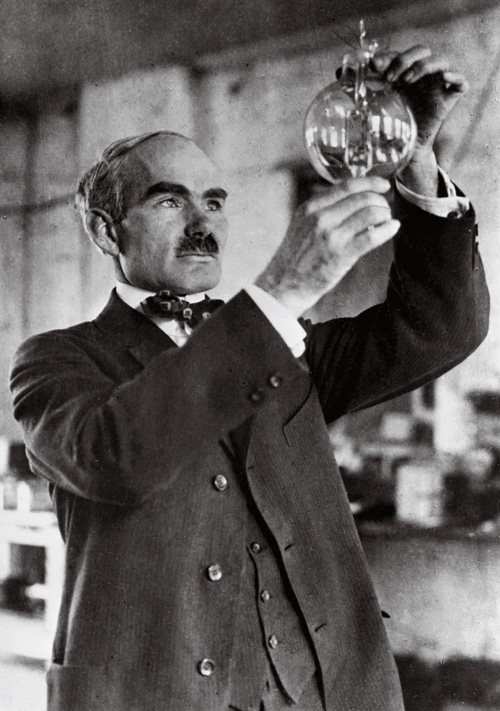
Lee De Forest introduced the Audion triode in 1906. While not originally understood in full, the vacuum tube made amplification practical.


Amplification changed everything — receivers became sensitive, transmitters became stable, continuous waves became dominant. The arc and alternator systems gave way to tubes.

Without vacuum tubes, early radio would have remained weak and unreliable. The tube era paved the way for shortwave, broadcasting, and eventually the electronics revolution.

Edwin Armstrong and Modern Radio
No discussion aimed at hams is complete without Edwin Howard Armstrong.

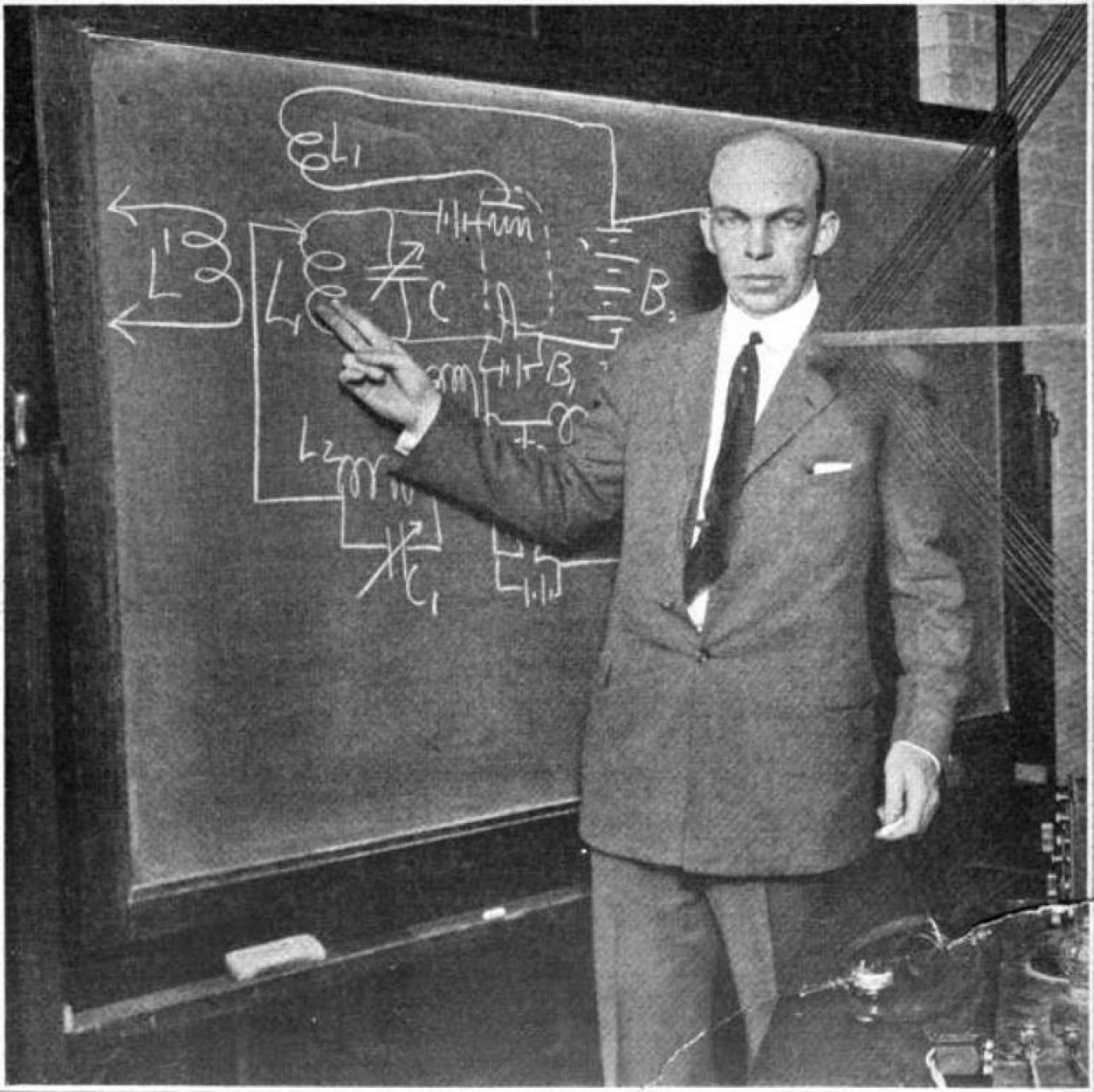
Armstrong gave us the regenerative receiver, the superheterodyne, and wideband FM. Those are not incremental tweaks — those are architectural revolutions. The superhet, in particular, became the standard receiver topology worldwide, still used today.


Armstrong’s wideband FM solved the static problem inherent in AM. His work represents the maturation of radio from crude sparks to high-fidelity communication.

And There are Many Others
Of course, any bibliography on the origins of radio is necessarily incomplete. Scores of experimenters, engineers, machinists, mathematicians, patent attorneys, shipboard operators, and laboratory assistants contributed pieces to the puzzle.

Some improved detectors by small but crucial margins. Others refined transmitters, wound better coils, built antennas, or pushed range a little farther than anyone thought possible. Many of their names never made headlines, yet their work became the quiet scaffolding on which the better-known pioneers stood.


Radio was forged in workshops, university labs, shipyards, and signal huts by a community of determined minds, each adding a brick to the structure.

So Who Really Invented Radio?
Radio was not invented. It evolved:

  • Maxwell predicted it.
  • Hertz proved it.
  • Lodge refined it.
  • Tesla envisioned and patented key elements.
  • Marconi engineered and commercialized it.
  • Fessenden brought voice.
  • De Forest amplified it.
  • Armstrong modernized it.

All this may sound like a diplomatic dodge, but it’s the truth. Technological revolutions are rarely solitary achievements. They are like a relay races. One mind pushes the boundary, another turns theory into hardware, a third turns hardware into industry.

As hams, we should appreciate that more than anyone. Our hobby lives at the intersection of physics and practicality. We experiment. We build on prior art. We borrow, refine, and improve.

And maybe that’s the real lesson.

  • When someone says, “Marconi invented radio,” you can say, “He built the first global wireless system.” That’s fair.
  • When someone says, “Tesla invented radio,” you can say, “He patented and demonstrated critical wireless concepts before Marconi.” Also fair.
  • When someone says, “Hertz invented radio,” you can say, “He proved electromagnetic waves exist.” Absolutely fair.

The truth is layered and recognition is shared.

Why It Matters to Us Hams?
This isn’t just historical trivia. The identity of amateur radio is rooted in experimenters and builders — people who push technology forward not because there’s a market study, but because it can be done.

The early wireless pioneers were doing what hams still do: stringing up antennas, tweaking detectors, chasing distant signals.

The spark era gave way to tubes. Tubes gave way to transistors. Now we run SDRs with noise floors Hertz himself could scarcely imagine, and we bounce signals off the moon as casually as Marconi strained to span the Atlantic.

But the core remains the same: applied physics, hands-on engineering, and the thrill of pulling intelligence out of noise.

Radio was invented by a generation — a community — of physicists, engineers, and stubborn experimenters who refused to leave Maxwell’s equations on the chalkboard.

And in that sense, the invention never stopped.

Every time you wind a toroid, design a low-noise front end, write DSP code for an SDR, or optimize a weak-signal digital mode, you’re participating in the same tradition.

The men whose names fill the history books deserve their recognition. Maxwell for the theory. Hertz for the proof. Lodge and Tesla for foundational advances. Marconi for the bold engineering leap that proved radio could span oceans. Fessenden, De Forest, Armstrong for shaping what radio became. There is no need to diminish one to elevate another - Radio is too big for that.

And the next time the debate comes up at the club meeting — because it will — you can smile and say, “It depends what you mean by invented.” That’s an answer worthy of a ham.


Bibliography and Further Reading

Maxwell, James Clerk. A Dynamical Theory of the Electromagnetic Field. Philosophical Transactions of the Royal Society, 1865.
(The paper that started it all. Heavy reading — but foundational.)

Hertz, Heinrich. Electric Waves: Being Researches on the Propagation of Electric Action with Finite Velocity through Space. Dover Publications.
(Hertz’s own experimental work verifying Maxwell’s theory.)

Lodge, Oliver. Signalling Through Space Without Wires. London: The Electrician Publishing Co., 1894.
(Primary account of Lodge’s wireless experiments and tuning work.)

Tesla, Nikola. Inventions, Researches and Writings of Nikola Tesla. Edited by Thomas Commerford Martin, 1894.
(Contains Tesla’s early high-frequency and wireless work.)

Carlson, W. Bernard. Tesla: Inventor of the Electrical Age. Princeton University Press, 2013.
(A modern scholarly biography — balanced and well sourced.)

Marconi, Guglielmo. Wireless Telegraphy. Journal of the Institution of Electrical Engineers, 1899.
(Early technical explanation of his wireless system.)

Hong, Sungook. Wireless: From Marconi’s Black-Box to the Audion. MIT Press, 2001.
(Excellent academic treatment of the technical and patent evolution of early radio.)

Fessenden, Reginald. “Wireless Telephony.” Transactions of the American Institute of Electrical Engineers, 1902.
(Early continuous-wave and voice transmission work.)

De Forest, Lee. Father of Radio: The Autobiography of Lee De Forest. Wilcox & Follett, 1950.
(Self-serving at times — but historically valuable.)

Armstrong, Edwin Howard. “A New Method of Receiving Wireless Telegraph Signals.” Proceedings of the Institute of Radio Engineers, 1914.
(The regenerative receiver paper — a classic.)

Lewis, Tom. Empire of the Air: The Men Who Made Radio. HarperCollins, 1991.
(A highly readable overview of Armstrong, Sarnoff, and De Forest.)

Aitken, Hugh G. J. Syntony and Spark: The Origins of Radio. Princeton University Press, 1976.
(Deep dive into the scientific and legal battles of early wireless.)

U.S. Supreme Court. Marconi Wireless Telegraph Co. of America v. United States, 320 U.S. 1 (1943).
(The landmark patent decision touching Tesla, Lodge, and Marconi.)


This article is reprinted with permission of the author, Christopher Krstanovic - AI2F.
About Author
Christopher Krstanovic, AI2F, is a lifelong amateur radio operator, first licensed in the US in 1980s as WR1F. He holds degrees in Physics and a PhD in Electrical Engineering, and his career has spanned corporate engineering as well as technology entrepreneurship. After leaving corporate America, he founded and led three companies before returning to active amateur radio under his current call sign. His operating interests include HF, antenna design, practical radio engineering, Astronomy.

Copyright 2026 © Cabarrus Amateur Radio Society. All Rights Reserved.