Cabarrus Amateur Radio Society

Cabarrus County, Concord, NC


When the Sun Fights Back
How Solar Storms Disrupt HF—and How to Read the Warning Signs
Most HF operators eventually encounter a day when the bands simply don’t behave. Signals fade for no obvious reason, familiar paths vanish, or propagation predictions look great—yet nothing works. When that happens, the cause is often not the ionosphere’s normal daily rhythm, but something far more disruptive: solar storms.


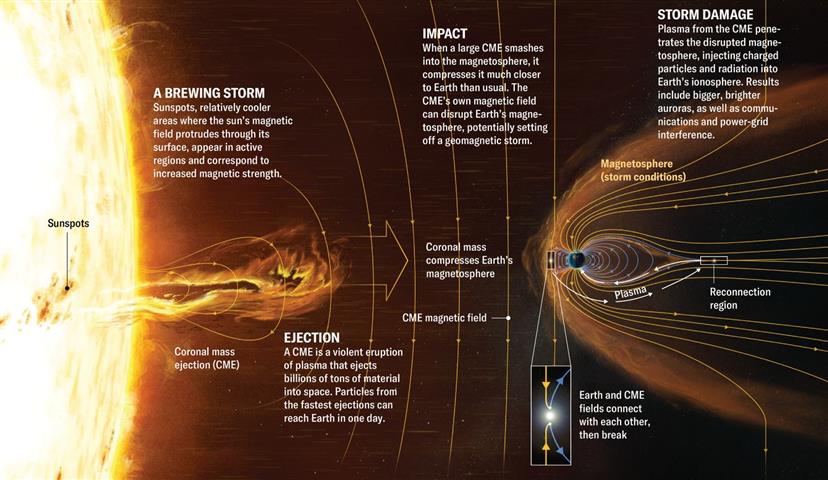
Solar storms originate from the Sun’s magnetic activity—solar flares, coronal mass ejections (CMEs), high-speed solar wind streams, and energetic proton events. These disturbances can reshape the ionosphere gradually over days or violently within minutes. Understanding how each type of solar event affects absorption, signal stability, and usable frequencies helps operators interpret sudden band changes that no MUF or foF2 chart can fully predict


Solar Flares: Instant HF Blackouts
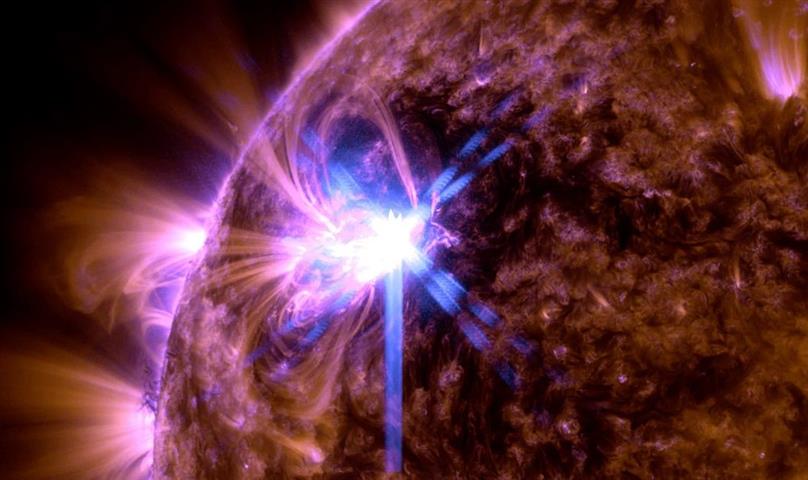
Solar flares release intense bursts of X-ray and extreme ultraviolet radiation that reach Earth in about eight minutes. When this radiation strikes the sunlit side of the planet, it dramatically increases ionization in the D layer, leading to severe HF absorption.

This sudden absorption event is known as a Shortwave Fadeout (SWF).


What Operators Experience
  • 80 and 40 meters may weaken dramatically or disappear entirely
  • 20 meters can be severely attenuated on sunlit paths
  • Even higher bands may be affected during very strong flares

Because this absorption happens almost instantly, solar flares are the fastest-acting HF disruptors.

What It Sounds Like on the Radio
During a strong SWF, bands often sound quiet but empty. Signals vanish because they are absorbed before returning to Earth. Noise does not increase—the signal-to-noise ratio collapses because the signal never makes it back.

The good news: once the flare subsides, the D layer relaxes quickly and bands often recover within minutes to an hour.

Coronal Mass Ejections (CMEs): Delayed but Powerful Disruption
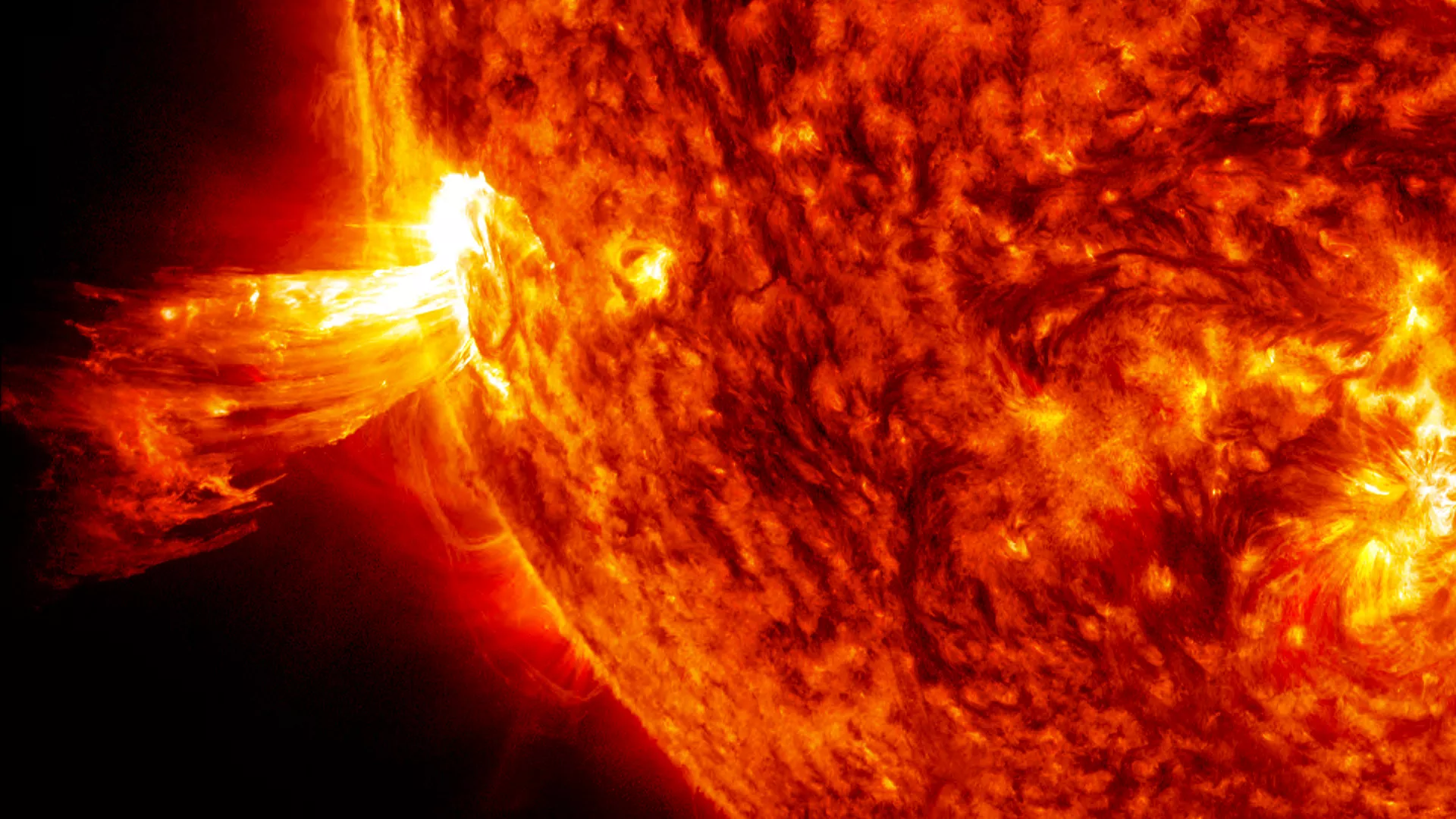
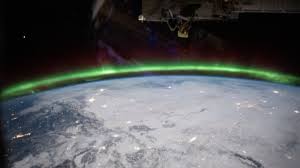
Unlike flares, coronal mass ejections hurl massive clouds of magnetized plasma into space. CMEs typically take 1 to 3 days to reach Earth. When they collide with Earth’s magnetosphere, they trigger geomagnetic storms that can severely disrupt HF propagation.


Effects on HF Propagation
  • MUF drops, sometimes sharply
  • The F2 layer becomes irregular and unstable
  • Long-distance paths may fade unpredictably or collapse
  • Polar paths are often the first to fail due to auroral absorption

Unlike flare effects, CME-driven disturbances are global and long-lasting, often persisting for many hours or days.

What It Sounds Like on the Radio
Geomagnetic storms do not create atmospheric QRN like thunderstorms do. Instead, operators hear:
  • Rapid fading (QSB)
  • Fluttery or distorted signals
  • Unstable audio
  • Auroral hiss on VHF and occasionally HF near high latitudes

Signals may be strong one moment and unreadable the next—classic signs of ionospheric turbulence.

High-Speed Solar Wind Streams: The Multi-Day Rollercoaster
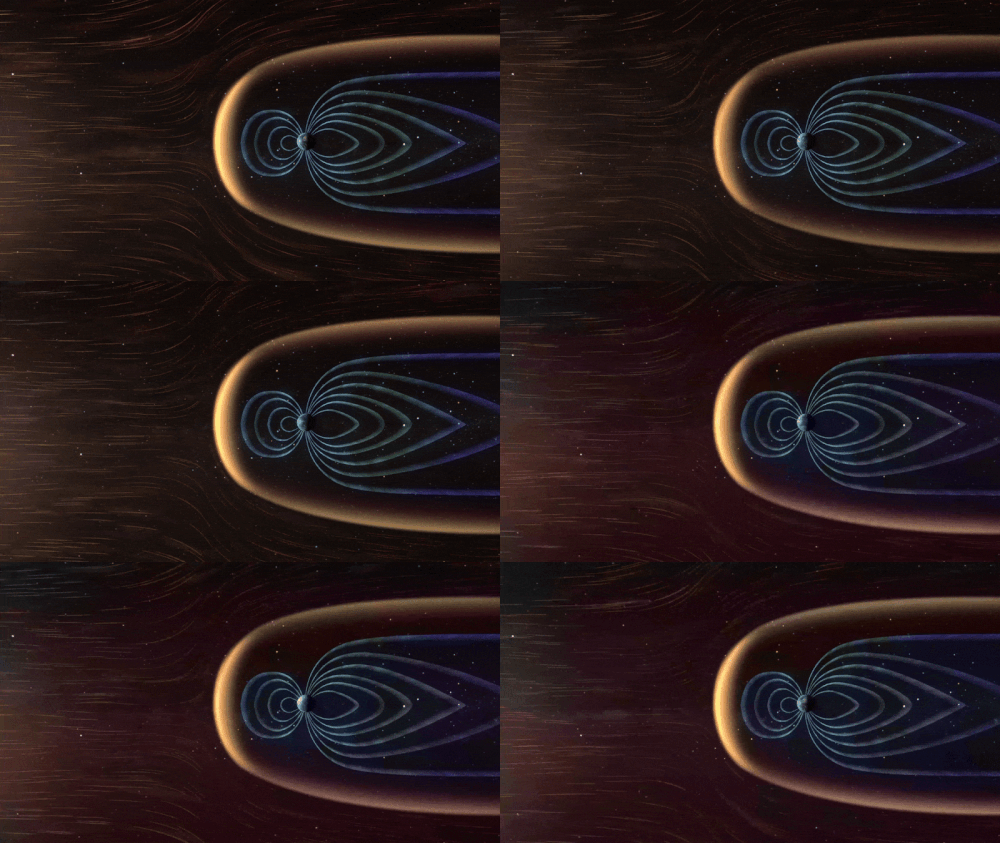
High-speed solar wind streams (HSSs) originate from coronal holes on the Sun and can persist for days. At their leading edge, they often form Co-rotating Interaction Regions (CIRs), which compress Earth’s magnetic field and trigger recurring geomagnetic disturbances.

These events are less dramatic than CMEs—but often more frustrating.


HF Reliability Effects
  • MUF fluctuates throughout the day
  • 20 meters may open and close repeatedly
  • Low bands become unstable and unpredictable

Because coronal holes rotate with the Sun, HSS events can recur every 27 days, creating repeating patterns of degraded HF conditions.

What It Sounds Like on the Radio
  • Choppy, unstable signals
  • Persistent fading
  • Reduced signal-to-noise ratio

Many operators describe these periods as “nothing works well, but nothing is completely dead.”

Solar Proton Events: The Polar Path Kill Switch
During major solar flares or CMEs, the Sun may eject high-energy protons that reach Earth’s polar regions within hours. These Solar Proton Events (SPEs) cause intense ionization in the polar D and E layers, producing extreme absorption.


HF Reliability Effects
  • Polar paths (such as North America–Europe or North America–Asia over the pole) may shut down completely
  • Strong events can weaken even mid-latitude paths

What It Sounds Like on the Radio
During proton events, bands may sound eerily quiet—because nothing gets through. Signals are absorbed so efficiently that even strong stations vanish.

For operators who rely on polar routes, proton events are among the most disruptive space weather phenomena.

Operator Takeaways So Far
  • Solar flares cause instant D-layer absorption and shortwave fadeouts
  • CMEs cause delayed geomagnetic storms that destabilize MUF and long-distance paths
  • High-speed solar wind streams produce multi-day periods of unreliable HF
  • Proton events can completely shut down polar propagation

But knowing what type of solar event occurred is only half the story. Operators also need a way to gauge how disturbed the ionosphere actually is. That’s where geomagnetic indices come in.


The K Index
: A Real-Time Disturbance Meter
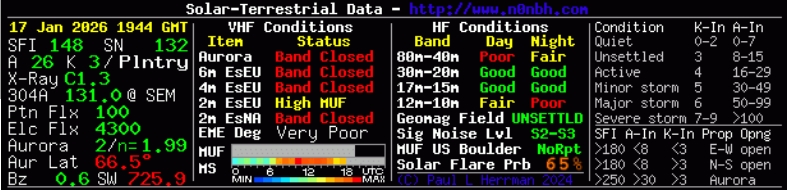
The K index measures short-term geomagnetic activity on a scale from 0 to 9. It updates every three hours and responds quickly to CMEs, solar wind shocks, and magnetic disturbances.

What the K Index Tells You
  • K = 0–2: Quiet conditions. Stable HF, predictable MUF
  • K = 3–4: Disturbed. Increased fading and unreliable polar paths
  • K = 5+: Geomagnetic storm. Major HF disruption likely

Practical Meaning for Operators
  • Higher K = more ionospheric turbulence → more QSB
  • Higher K = stronger auroral absorption → distorted or fluttery signals
  • Higher K = lower MUF → fewer usable bands

The K index is your short-term warning light.

The A Index: The Big-Picture Stability Score
The A index is a daily average of geomagnetic activity, scaled from 0 to 400 (though values above 50 are rare). While K shows immediate disturbances, A reflects sustained geomagnetic stress over the past 24 hours.

What the A Index Tells You
  • A = 0–7: Very quiet. Excellent HF stability
  • A = 8–15: Slightly unsettled. Minor MUF fluctuations
  • A = 16–30: Disturbed. Degraded HF reliability
  • A > 30: Strong geomagnetic storm conditions

A high A index often means the ionosphere is still disturbed or recovering, which can result in:
  • Suppressed MUF for hours or days
  • Weak or uneven F2-layer ionization
  • Poor polar and long-path propagation
  • Persistent fading and instability

Think of A as your trend indicator.


Connecting Solar Events to the Indices

Solar Flares
Solar flares cause immediate D-layer absorption but do not directly raise the A or K index. Their effects are fast, localized to the sunlit side of Earth, and measured separately.

Coronal Mass Ejections
CMEs are the primary drivers of geomagnetic storms:
  • K index rises quickly after impact
  • A index climbs as the storm persists
  • MUF drops and polar paths collapse
  • HF instability dominates over normal atmospheric effects

High-Speed Solar Wind Streams
HSSs and CIRs cause recurring periods of elevated K and A values, often lasting days and repeating with the solar rotation.


This article is reprinted with permission of the author, Christopher Krstanovic - AI2F.
About Author
Christopher Krstanovic, AI2F, is a lifelong amateur radio operator, first licensed in the US in 1980s as WR1F. He holds degrees in Physics and a PhD in Electrical Engineering, and his career has spanned corporate engineering as well as technology entrepreneurship. After leaving corporate America, he founded and led three companies before returning to active amateur radio under his current call sign. His operating interests include HF, antenna design, practical radio engineering, Astronomy.


Copyright 2026 © Cabarrus Amateur Radio Society. All Rights Reserved.